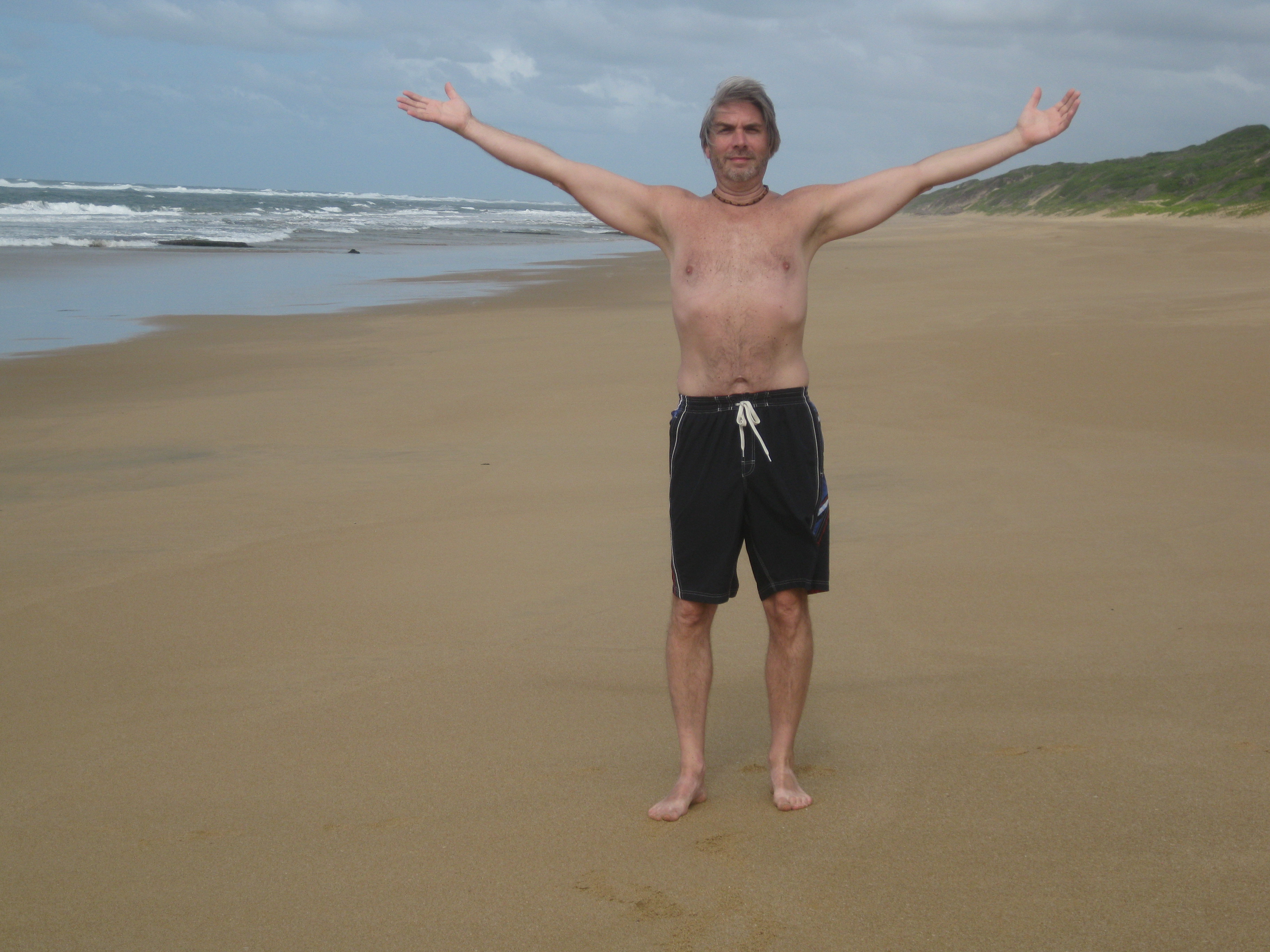
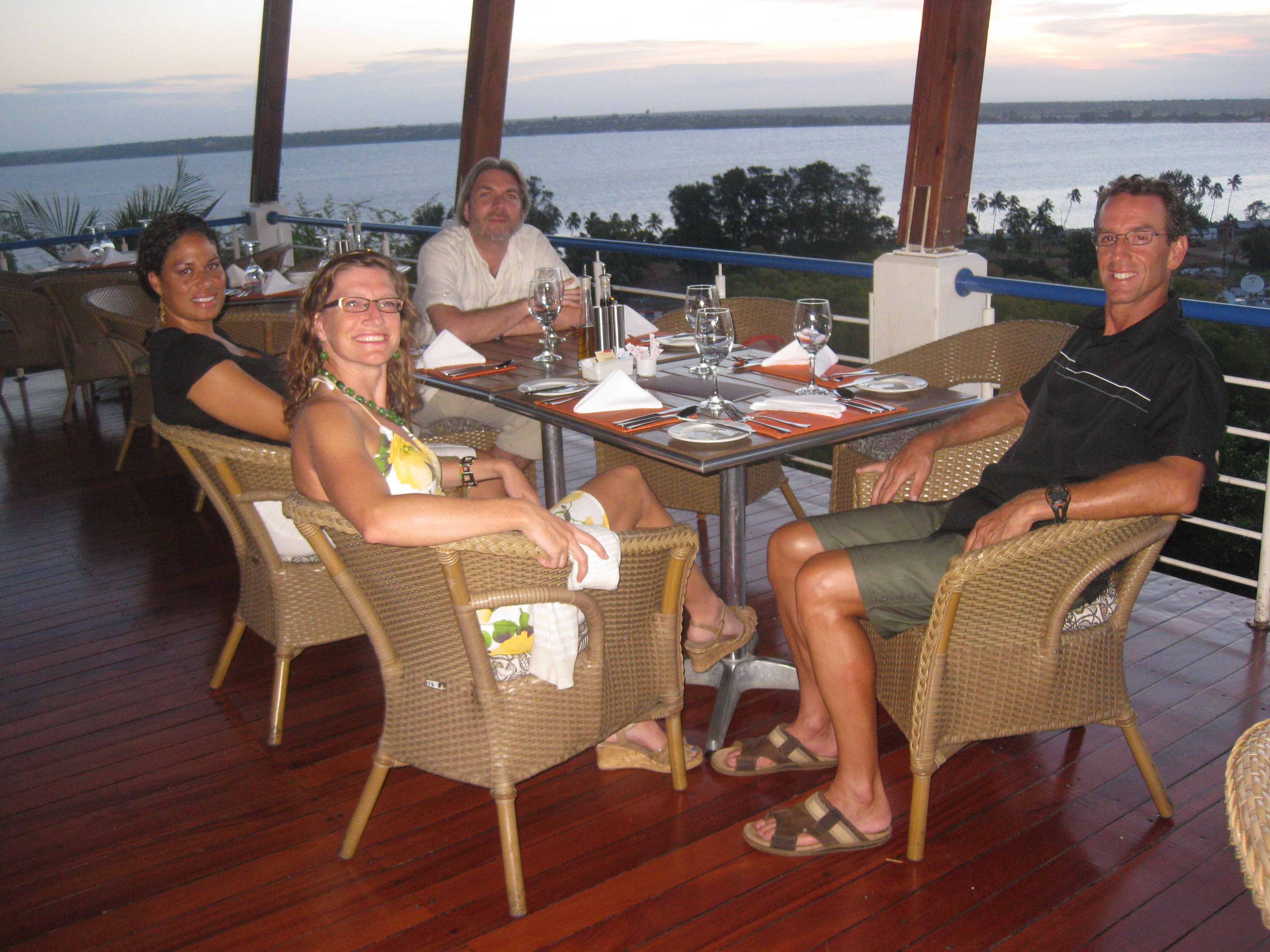
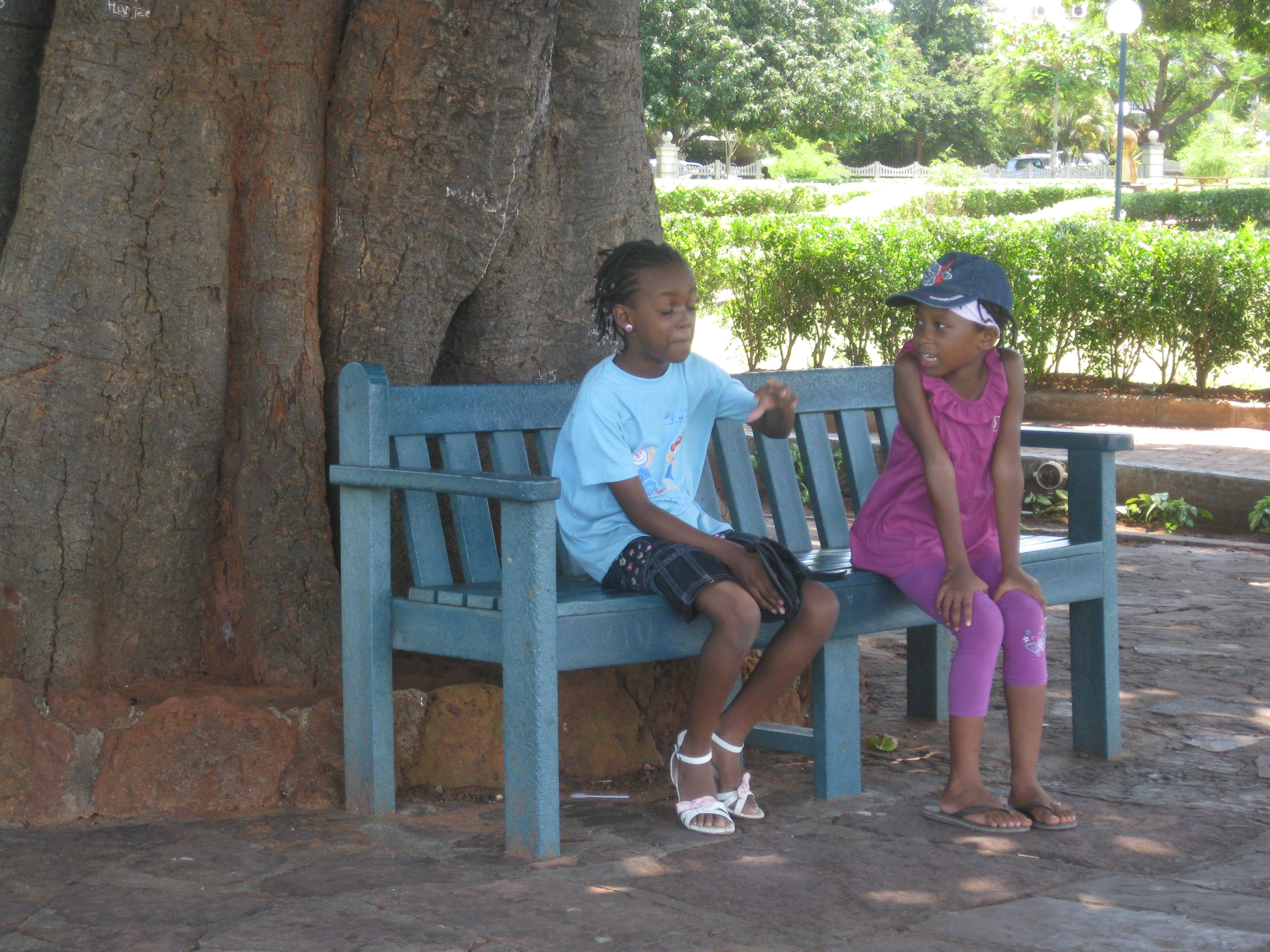
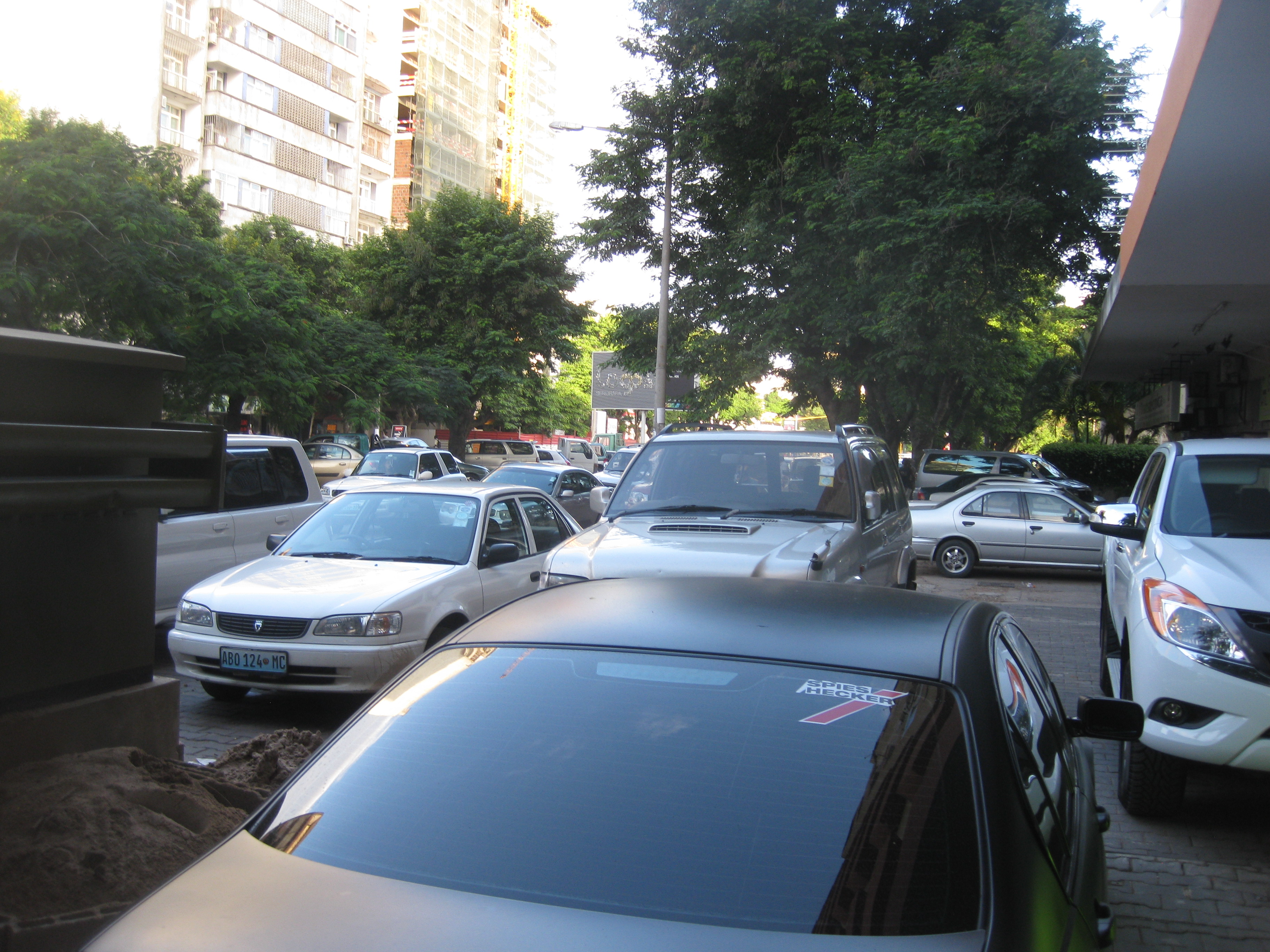
Chico and the Man

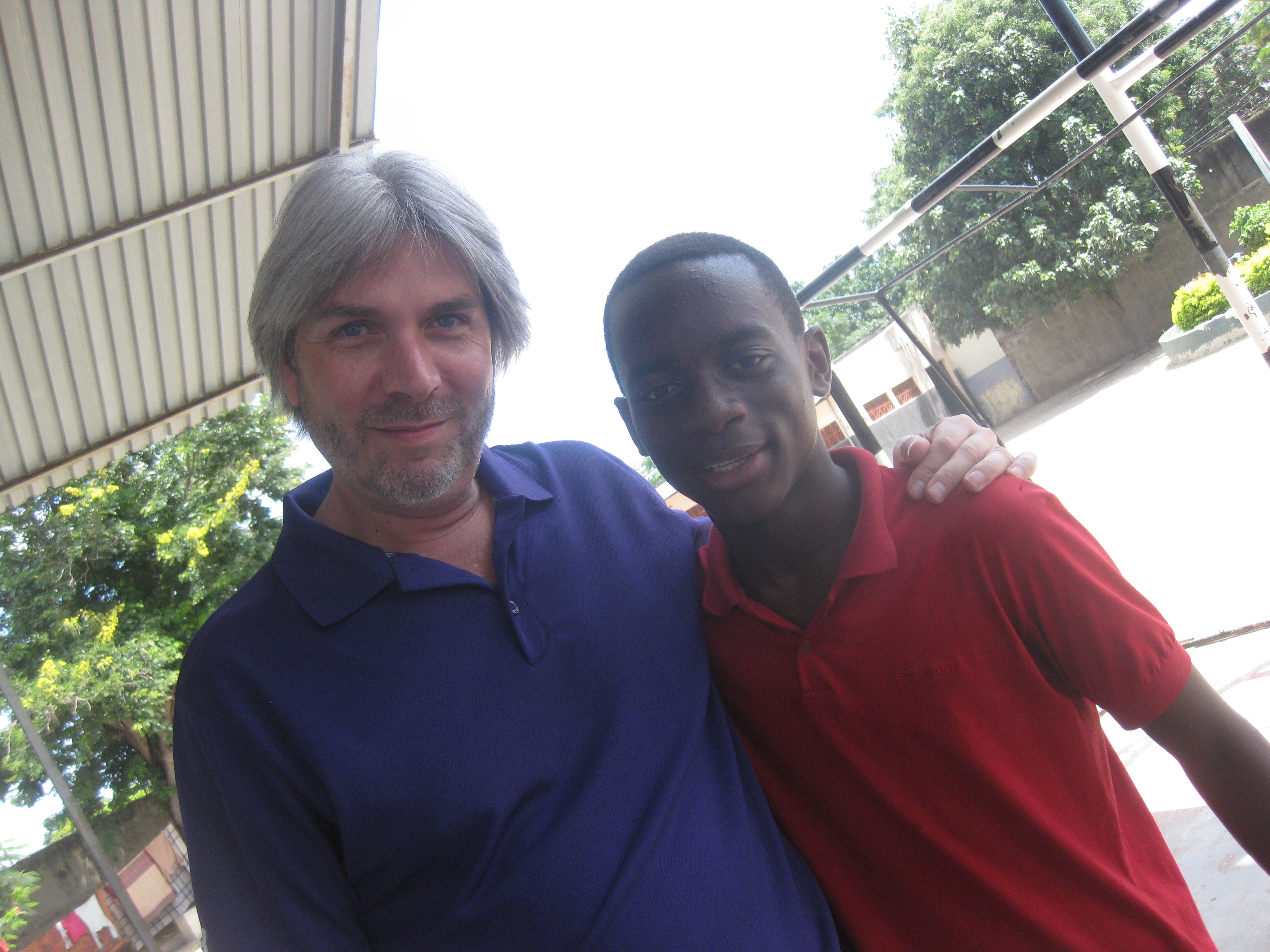
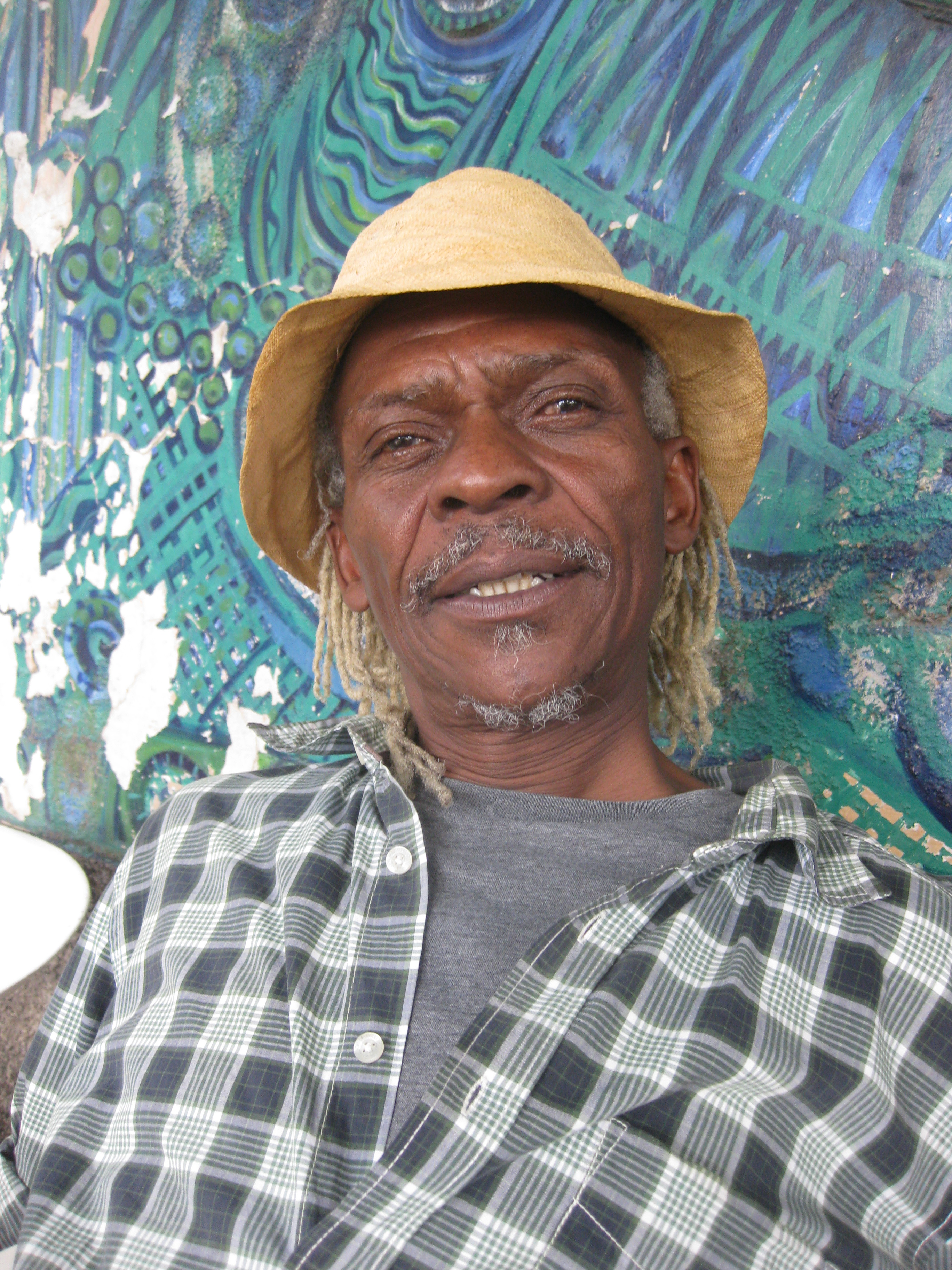
jandchico3Perhaps the most rewarding part of being in Africa was the relationship I formed with Chico Antonio. We met one night between sets at a local live music club. I asked him if I could sing with him, and learn his music. I had no idea at the time that Chico is a very famous and respected musician in Mozambique. And one of nicest, kindest souls I have ever met. He took me under his wing and introduced me to his band, and invited me to rehearse with them. Often we would just spend time together, chit chatting, laughing, and enjoying each other’s company. But my favourite times with Chico were when we practiced together, just the two of us, at his apartment. Calm, peaceful, focused.

We worked on three of his songs in his native Zulu language of Shangaan, a beautiful dialect that I will write more about in upcoming posts. On my very last day, sitting together in our favourite little watering hole, we sang the songs together, and I recorded them. I present them to you now, filmed by a very nice man named Emidio Noormahomed, who unfortunately I only met at the very end of my stay in Mozambique. But somehow he was sure our paths would cross again.

This first song is called Podina. Podina is the name of a woman Chico dated many years ago. She is upset, and even when she smiles, her eyes are not smiling. He is asking her where she is, and pleading with her to come back to him. This is maybe my favourite for a number of reasons. I love the sound, and how it makes me feel. Over several weeks, I also made several suggestions to change the some of the words and structure of the song, which Chico embraced and incorporated. No ego, just open. All the “home, home” parts, which sort of sticks in your head, and kind of gives the song a lift.

The second song is called Zizi, a young boy of about four years old, the son of one of his bandmates Jose Maria. They were practicing one day, and while he was playing with his toys, seemingly oblivious to the music, Zizi began speaking some of these words about how the sun was setting on Chico and Jose Maria’s life, and how his was just beginning. That nothing in life is forever. Out of the mouths of babes. Anyway Chico turned it into a song many years ago, and as you will hear, I added a little North American twist at the end. “Improv” as Chico refers to it.

The third and final song is called Sinongue, and it is about calling someone from the heart. Chico is playing a very interesting African instrument known as a thumb piano.thumb piano His is a home made version that looks something like this, mounted in a construction hat for better acoustics.

Happy Easter, and I hope you enjoy this musical offering!

Into Africa–March 21, 2013

242“You may not control all the events that happen to you, but you can decide not to be reduced by them.”–Maya Angelou

Friday, March 15 was my last official work day in Mozambique. And what a day it was–finishing my last few reports, copying files, debriefing the director. “We appreciate the way you do things,” Edmundo said simply at the end, which apparently is high praise. I’ll take it. He seemed engaged and interested as I summarized my findings, accomplishments, and recommendations. Who knows what will happen once I’m gone, but I am satisfied that I gave them everything I could, and that I have moved the communications bar up a few notches on several fronts. I have shown them how strategic communications practices in certain key areas can improve their program.

And then the goodbyes. Helder and Suzanne took me out for lunch…you choose your meat, and then they cook it for you! Some of my other work colleagues even took me out for a beer at the end of the day…very thoughtful. Even Laura, who has been stone cold with me since the beginning, finally cracked at the end!

Then onto what I knew would be perhaps the toughest goodbye…Chico. I met him at our usual cafe. We played our three songs together one last time. This time I recorded them, which will not only be a great memory, but it will also give me something to practice with as I try to recreate them at home. Saying goodbye to Chico was very hard…maybe this is what they mean by “bromance?” He has been so kind, open, and accepting of me over the last two months. I will be forever grateful.

Working with Chico and the band also reminded me of what Ron and Rob, my music teachers and mentors in Ottawa, have drilled into me for so many months–the importance of being flexible and versatile, bringing more than one talent to the musical table, and being familiar with what others are doing in the band so you can speak their language. I have done well on the first one, but definitely need to work on the last two.

I capped off Friday night with a boys night out with Mike. BBQ meat, beer, and pool. Arrrrr! Great to have some one on one time together, and a nice way to close things out. I am grateful to him for opening his life to me while I was here.

After a short, restless night of sleep, I was up packing and getting organized to go. A few more goodbyes. Francesco at the park insisted on giving me a gift, so I chose a small stone rhino. Very generous, and rare, as I have not noticed much gift giving here. And then to the hotel staff–Moyenne, Cristina, Matoush, Orlando, Editio, Domingues–who also seemed genuinely affected. I surprised them when I said “salanini,” which is Changaan for goodbye. Liz and the kids picked me up, and off we went to the airport. I will always be especially grateful to Liz for opening this African door for me in the first place, and being so generous and welcoming with me in so many ways. This could be the start of a whole new chapter for me.

Although I am so happy to be going home, the goodbyes were much, much harder than I could have imagined. That must be a good sign.

The voyage home began uneventfully Saturday afternoon from Maputo airport. A quick hop to Joburg where I had about three hours to kill before the 8 pm flight to London. I was feeling a little off, but chalked it up to the stress of leaving, and not having had much sleep the night before.

Right before boarding, sitting in a jam-packed waiting lounge I began to feel very strange indeed. Everything started to feel distant and distorted, becoming opaque. And then the nausea kicked in. I put me head between my legs to try and control it. Then I passed out, not sure for how long. When I came out of it I was drenched in sweat. There is no way I can board this plane like this, I thought (or spoke?) to myself. But it passed, and I mustered up enough energy to board what would be a brutal 11-hour, jam-packed flight to London.

I remember having some very interesting chats with an elderly South African man sitting next to me, as I drifted in and out of consciousness. I also remember the nausea and the pounding headaches. I just have to get though the next hour, I kept thinking, over and over again.

When I arrived in London, I did not have the strength to get my stuff off the plane. I was greeted by some very kind airport staff and paramedics who checked me out, and wheeled me to a quiet lounge where I could rest and re energize for five hours before the next flight. Those Brits were so good to me, which I know will make my mother very proud! This was in stark contrast to what happened in Joburg, where not one person asked me if I was OK. Although one incident does not define a nation, I do get the sense–as I have throughout my trip–that there is an overriding lack of human compassion or consideration for others. It’s every man for himself.

I have never felt as defeated, weary, and alone as I did on that final leg of the trip, sitting on an airplane toilet with diarrhea, the shakes, fever, headache, and sweats. Little did I know this would define the next few days. Just need to make it through this flight, I thought. Just need to make it off the plane. Just need make it through customs. Just need to get my bags. Then it will be OK.

It took everything I had (and some of what I didn’t know I had) to make it home. It was a very gruelling 30-hour trip, but It could have been worse. If I had become sick just one day earlier I never would have been able to make it. I am grateful for that.

Although it was not the homecoming I had envisioned, I was so very happy to see my wife. I hugged her for what felt like a long time, and remember not kissing her in case I was contagious. My great friend Tommy was also there, decked out in full St. Paddy’s regalia! He has been a rock, and I am very grateful.

I don’t remember much after that…my wife and son tell me my colour was grey, and that I was somewhat delirious for the rest of the day on Sunday.

As I write this, it is Wednesday, and I am in the hospital where I have been in quarantine since Monday morning, trying to figure out what’s wrong with me. Typhoid, dengue, H1N1, and cholera are the front runners. They’ve ruled out malaria. My body has done and produced some things in the last few days that I would not have thought possible, or even human. I haven’t eaten since Sunday, but finally think I can start.

And now, Thursday, they think they have identified the bacteria responsible, but after doing some research, this explanation does not cover off most of my symptoms. So I am preparing my case for when I see the docs later today. I began to feel better on most fronts late yesterday, that’s the good news, but there were a few complications that will keep me here until the weekend. Oh well…might as well deal with it all while I’m here, eh?

But lots of good news so far today: they’ve taken out the IV, I am keeping solid food in me, all my symptoms are fading, my tongue is pink, and my blood level indicators are all normalizing.

The hospital experience itself is a whole other story–good, bad, and ugly. I won’t go into this part in detail, but I will say that if you do get sick, make it some sort of infectious and contagious disease. You get to bypass that usually horrific emergency waiting room scene, you get your own private room, and you get our own dedicated air supply. Luxury!

On a serious note, I cannot stress enough the need for someone to advocate on your behalf while you are in hospital, and that you yourself keep track of what is happening as best you can. Write things down when you have lucid moments…questions, comments, what’s happening to you, symptoms, etc. Hospital systems are usually big and clunky, and not designed for the personal, intricate issues surrounding you and your health. There is so much going on–decisions being made, medications being prescribed, changes in staff, dissemination of your information, politics, and priorities other than you.

As the patient, and depending on your condition, you are hardly in a position to keep track of all this. There have been several key decision points during my hospital stay where if my wife had not stepped in, things could have easily gone off the rails for me. Remember that how well you are feeling is not the only determinant to what happens to you in hospital (although it should be). Bed availability, other patient’s conditions and requirements, and cost of care all factor into the decisions made by hospital staff and administrators. So it is absolutely critical that you have someone who can follow what’s happening, and push for the right decisions to be made that are in your best health interests, at least until you are well enough to take over. Thank you, my love, for being that someone for me.

Having said all that, I sure was happy to be back in Canada for all this medical madness. Getting treated in Mozambique would have been an adventure. If I were in the US, I’d have to take out a second mortgage to cover the costs.

I keep asking myself what the lesson is for me in all of this. I’m not sure yet, but it will come. It always does. I just don’t always see it clearly right away.

Oh…and one other work-related thing I am quite proud of: my commitment to describing the journey in this blog. I wasn’t sure that I would have that much to say, or even that I would know how to say it. And I am so grateful to those of you out there who have taken the time to read about it.

This was not the wrap-up I had envisioned, so I will be back in the coming weeks with more “uplifting” thoughts and images from Africa. I will close with a quote I really like from an excellent blog called What is Real True Love.

“At every moment we’re either becoming more aware and more sensitive, or we’re becoming more self-preoccupied and numb; we’re either moving in the direction of becoming more alive inside, or internally dead; more ego driven or more soulful and guided by perennial universal and noble principles.”

‘Til next week,

Jonathan
(MoJo just doesn’t seem to fit today)

Into Africa–March 14, 2013

035“Goodness in your life does not come to you from someone else. When you see this, you will be free. Have courage, for what you seek is not outside of you. It is not a gift from another person. It is yours to give, not to acquire. Let no one, therefore, hold you hostage. Not your partner, not your boss, not your family…and certainly not your God.”

–Neil Donald Walsch

There is something about Sundays for me in Africa. Windy and stormy on the outside, unsettled and anxious on the inside. I think I felt it even stronger this week because it was also my 4th wedding anniversary. I’m sorry to be missing the day, my love, but I will be home very soon now. Home is close now, and it can’t come fast enough.

Aside from that, it has been a wonderful couple of days outside of the city.

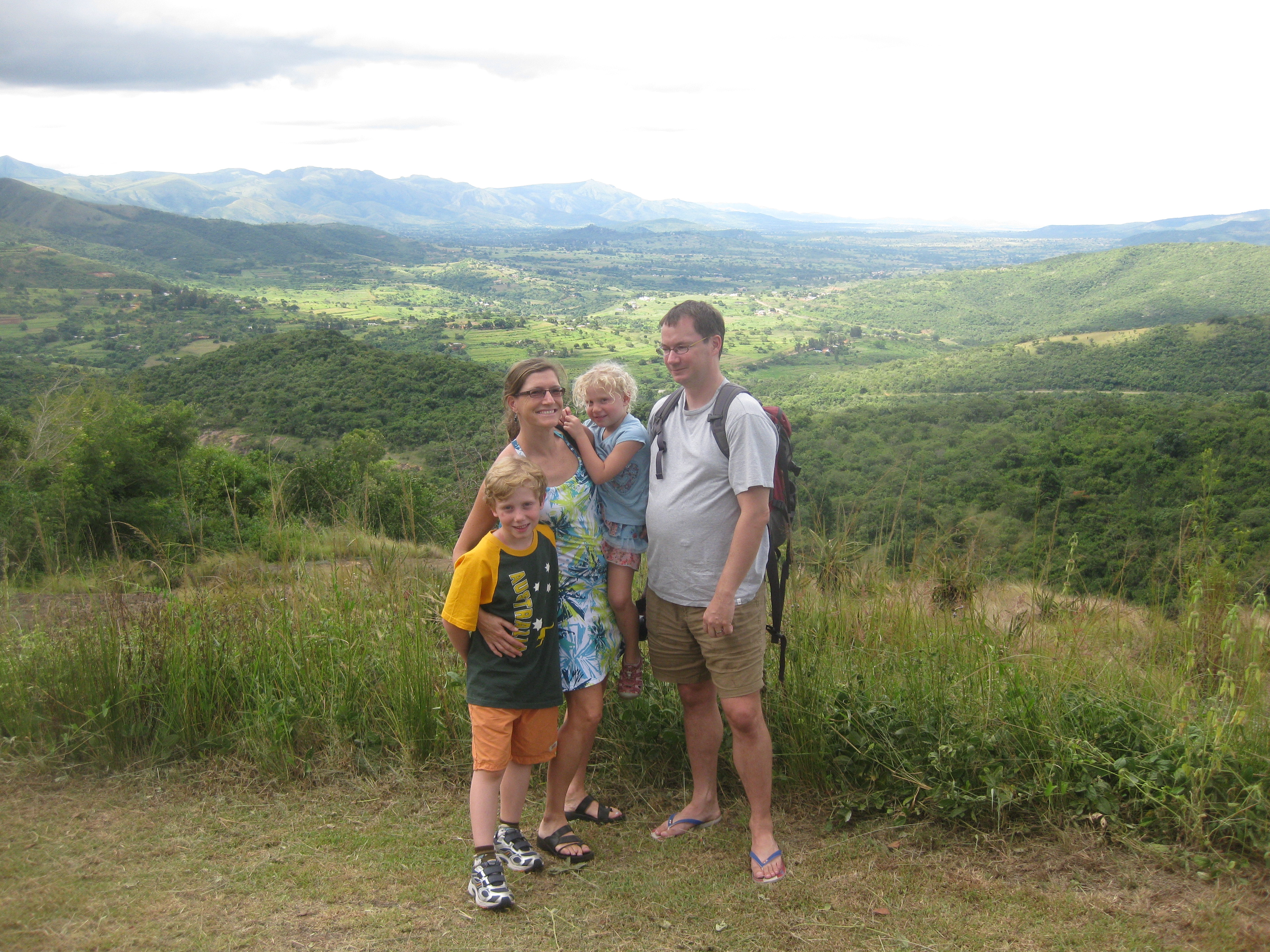
My friends Mike and Liz and their kids Charlotte and Seamus joined me for my last weekend in Africa. We travelled to Bilene, a beach town about 180 km. north of Maputo in Gaza province, not far from the recent devastating floods in Chokwe. Bilene surrounds a natural salt water lagoon, fed by the Indian Ocean just on the far side, over the huge dunes. The beaches are relatively clean, the water shallow and warm. Nice, but it’s not quite the ocean. We all took Friday off and made it a long weekend. We arrived around noon on Friday in scorching hot weather, high 30s and no wind.

We finally found accommodation, a great big three-bedroom beach house with a massive deck, just steps from the water. It felt over the top given where I am. But it was nice and comfortable. There are no real deals to be had here, unfortunately, even in low season. Surprising as most of these places are South African run, and I would have thought they might have more business sense.
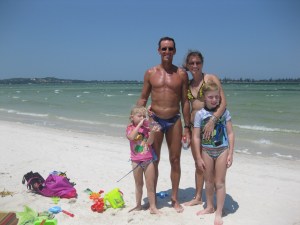
008By the time we got settled, we were all a little grumpy, so into the lagoon we went to cool off. We met a really nice guy named Jose walking along the beach. He is a local artist who works with wood and stone. I made plans to try and see him the next day on the beach or at the beach hotel nearby where he works.

Saturday was even hotter. Liz and Mike headed off for a long early morning run while I watched the kids. Although challenging at times, as all kids can be, I really enjoyed my time with them playing whatever games they wanted. They are so pure, unfiltered, and in the moment at that age, something I have lost, as most of us inevitably do. But it’s nice to know that I can go back to that place sometimes.Good for the soul.

Then I went wandering to figure out boat rides and alternate accommodation, as my plan was to stay on an extra night on Sunday, make my way to Macia on Monday, be picked up by my colleagues (Suzanne and Helder), and continue north past the capital of Xai Xai to Chidenguele for a conference.

022Although I had a small bottle of water, a sunscreen and a hat, the heat was crazy and I began to feel disoriented. I knew there was a hotel not far off the beach but I just couldn’t find it, walking almost from one end to the other. I finally found Praia del Sol, this cool and comfortable place, rustic grass huts scattered around the property, for only about $40 a night. “This feels more like it,” I said to myself. Yes I do this, quite often it would seem. I also found my artist friend Jose here, in his workshop at the hotel, and bought a few little things from him.026

After a cold beer and some agua, I headed back to find my friends who were happily splashing around in the water. Then the wind started to pick up, which is very dangerous in this kind of heat because it makes you think it’s cooler than it is. I should have taken this time to take the boat to the ocean, but figured I could do this myself the next day after they had gone.

But Sunday turned out to be too windy with no boats making the trip, so I was out of luck. My friends dropped me off at Praia on the way out and here I was, alone again, anxious, unsure, and unsettled. I walked the lagoon beach for a few hours…the beach always settles me down. Then back to Praia where I found Jose and spent the rest of the afternoon chatting with him, learning about his life, learning Changaan, and thinking of ways to help him earn a living. He has been saving for years to buy blocks, steel, and cement to strengthen his house. He calculates he will have enough in 3-5 more years. He carves and teaches other kids to do the same. He teaches them the value of work and to be proud of a craft, a positive alternative to begging and stealing. A really good and kind man.
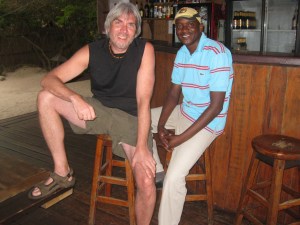
028I was also greeted by David and Dino who manage the hotel. Two really nice guys as well. Dino earns 3,500 mets per month, the equivalent of about $120. On that he cares for his mother, two sisters, and two brothers. Can you imagine all of these people surviving on $4 a day? His father died about 10 years ago. I could see the stress in his face as he talked about it. But he is grateful to have a job. He is not bitter, and smiles a lot. A good guy with a good heart.

031

View from entrance to the bathroom to sink and outdoor, screened in shower. It gives a whole new meaning to room with a view!
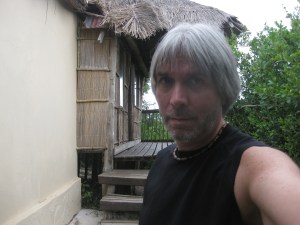
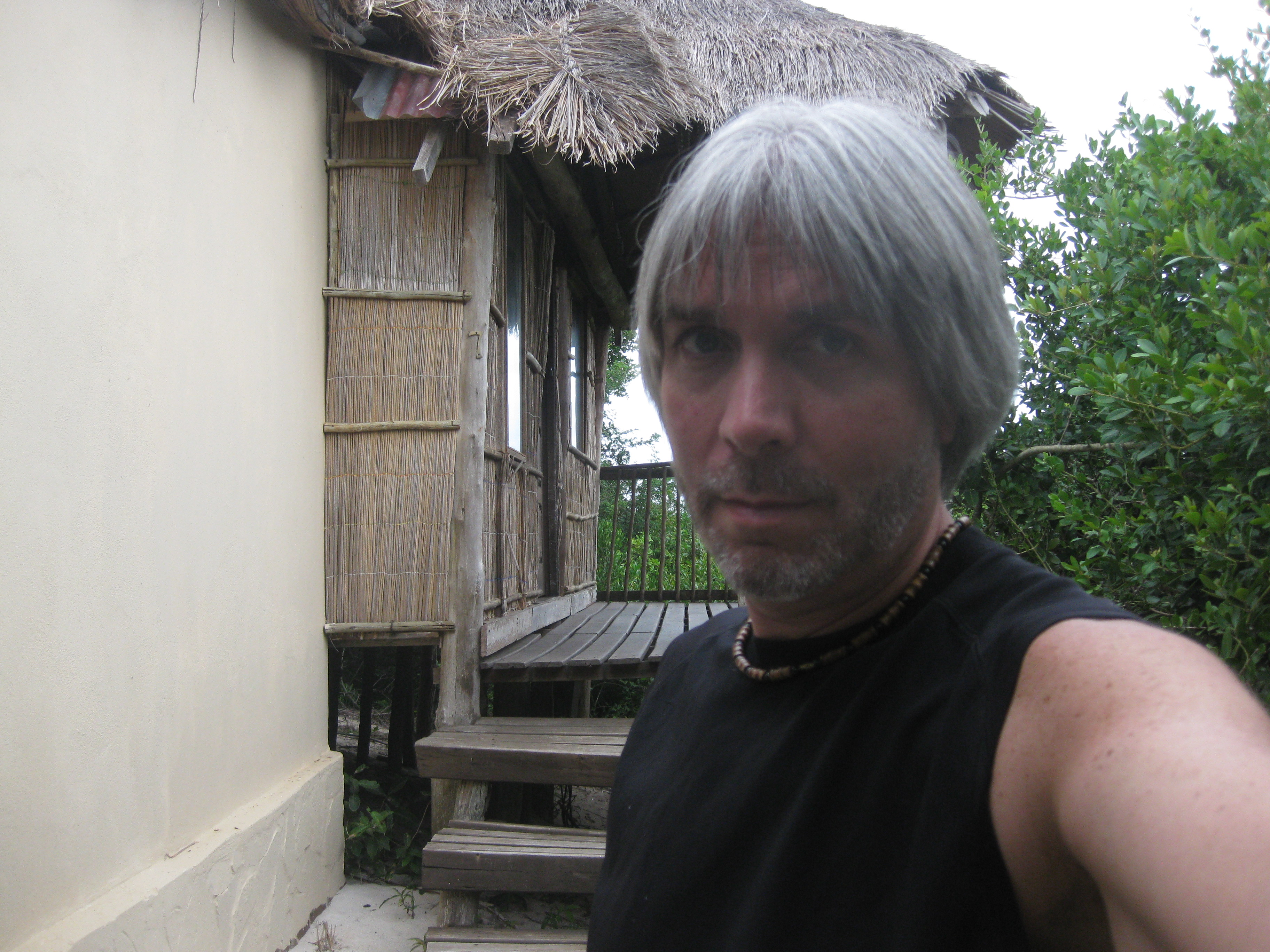
020As night fell, I have to say I was a little nervous. The hut was comfortable, but certainly not “hermetically” sealed, with only a flimsy screen separating the back half from the outside. And all kinds of little creatures in my neighbourhood. And then the lights went out. Stay calm. Don’t focus on things you don’t want to have happen. And then it passed. I began to appreciate the sounds of the night, and the the wind whistling through the treetops to the screened windows of my stilted hut. And I finally drifted off to sleep.

I was up very early Monday morning to figure out a way to get to Macia, about 30 km. away, where I was to be picked up. My options were to hire a car which would not be cheap, or ride he local “chapa” which is Mozambique version of mass transit. Jam packed, open trucks where people pile into the back. Cheap, but not the safest or fastest way to travel. But as it so often has happened here, the universe responds. I met Christo, a South African staying at the hotel who just happened to be going in that direction and he agreed to give me a lift. Perfect! It turned out to be a wet and rainy start to the day, so I was happy not to be riding in an open-air chapa.
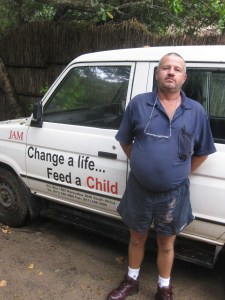
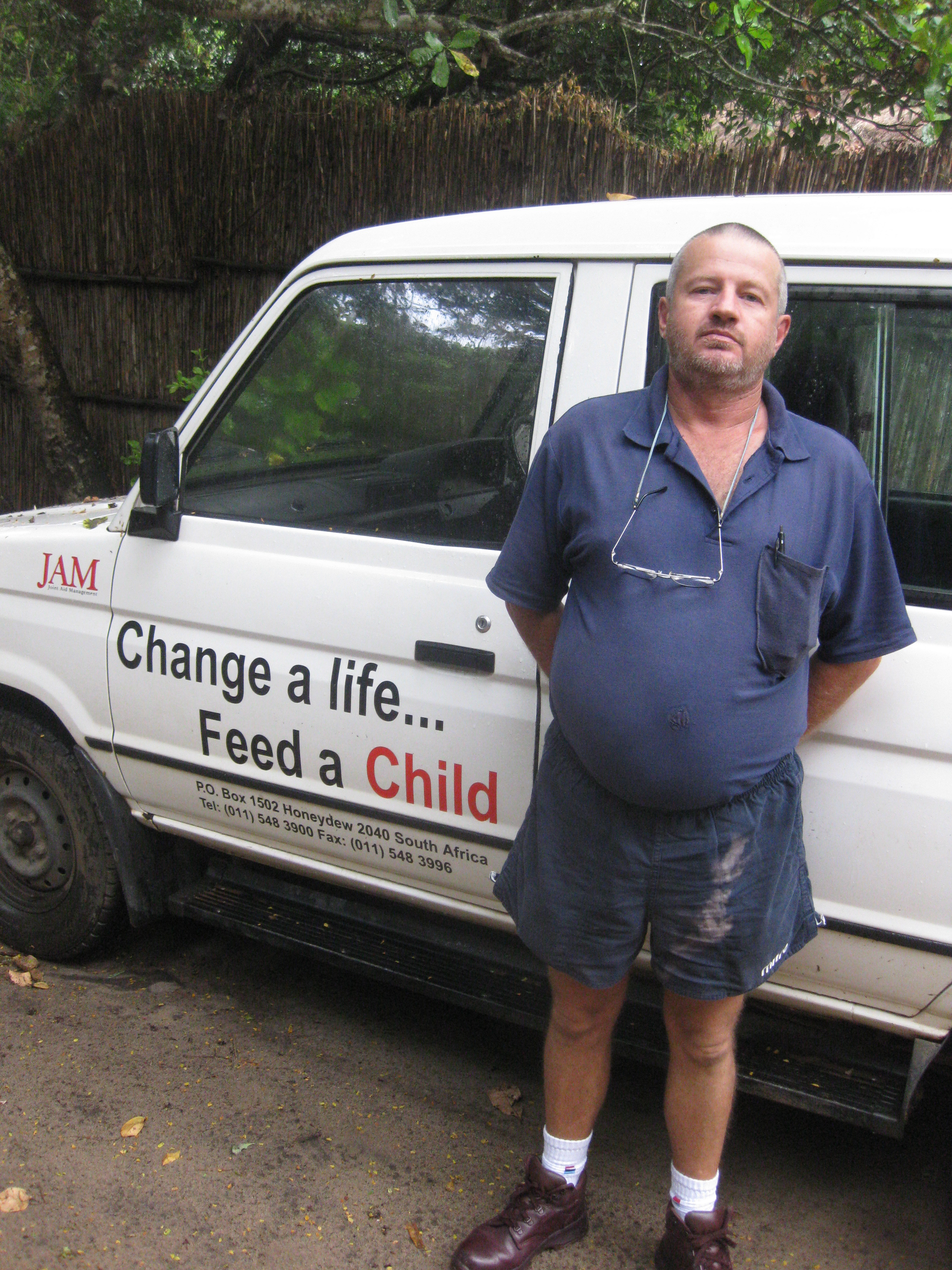
032I had heard negative things about South Africans in general, and felt that pre-judgement starting to sway me. So I stopped it. Christo is a mechanic who works for a group called JAM (Joint Aid Management) who provide a number of relief and sustainable development programs to seven African countries, including Mozambique. What I love best about their model is that they help people help themselves, so it’s much more than a handout….it’s a hand up. One of the food programs for example (which Christo is involved with), feeds 700,000 children, but only if they go to school. Right now their team and the entire area of Chokwe has been decimated by the floods I wrote about a few weeks back. So the remaining $200 I have left from funds I raised before I left Canada will go to to the feeding program there.

Anyway, a very nice man doing some wonderful work. We had a really good chat on our way to Macia. He dropped me off, and minutes later my colleagues Helder and Suzanne picked me up. Divine timing. We continued north about 90 minutes to the school management conference at a lake resort in Chidenguele.

The speakers were hard to follow (make that painful!) because everything was in Portuguese, but still interesting to see how they do things here, and to watch the non-verbal stuff going on. For a little while. We were introduced as the two Canadians visiting. One person, a professor, introduced himself to me. Non inclusiveness was to become the theme of the day.

At coffee break, I was amazed that the snacks were completely cleaned out within seconds, with people walking away with piles of food, and many others, like me, getting nothing. It pissed me off at first–how rude, how inconsiderate–but then I realized that although the people attending this conference have relatively well paying jobs, perhaps they weren’t always comfortable. Maybe they have been hungry before. And maybe the feeling of going hungry never leaves you, that feeling that there will never be enough. And it’s not the first time I have experienced this hoarding effect in Mozambique. But I take for granted that I will eat, and somehow know the food will be there. Probably not so for them.

I shared a two-bedroom apartment at the conference with Helder. I though it was perfectly natural to expect that each of us would have a key to the apartment, so that we could come and go independently. But not at all for Helder. It did not cross his mind to ask for another key, and he saw no issue with sharing one. When I asked the front desk, it was like the thought had never occurred to them, or they had never been asked the question. I have noticed lots of little things like this–an unwillingness or inability to think differently about things. To me it seems like a lapse in logic, or common sense. Like they have been taught one way, and that is the only way. Don’t colour outside the lines.

I spent the afternoon working on my own. Then a quick late early evening jaunt to the beach. I could hear it, and feel it, and smell it, but it was too dark. I would have to come back. I headed back for dinner. The language barrier was very noticeable tonight. And so were the cliques. And the politics. And I &%#* hate these. Over dinner, Suzanne and I were sitting with a few of the top people, most of whom I have worked with over the last few weeks. We were completely shut out of the conversation and the celebrations, barely acknowledged. Maybe my veneer was wearing thin, or I was feeling fragile or sorry for myself…but maybe not…regardless, it really felt isolating, and it really bothered me. I felt…resentment. And I haven’t felt that in quite awhile. It turned me off everything. My friend Jules warned me there would be low moments, and this was definitely one of them. But why do I feel the need for their approval? But as upsetting as it was, I knew that I couldn’t allow this incident to taint my entire experience here, so I wrote about it and went to bed. It will be better tomorrow.

I woke up Tuesday and decided not to put myself through that again. My wife gave me some good advice (which I cannot repeat here!). I skipped breakfast and the morning conference, and headed to the beach with Helder. I have been longing for the beach since I arrived and this was my last chance. It was only about 5 km. from the resort, but through narrow, bumpy roads.

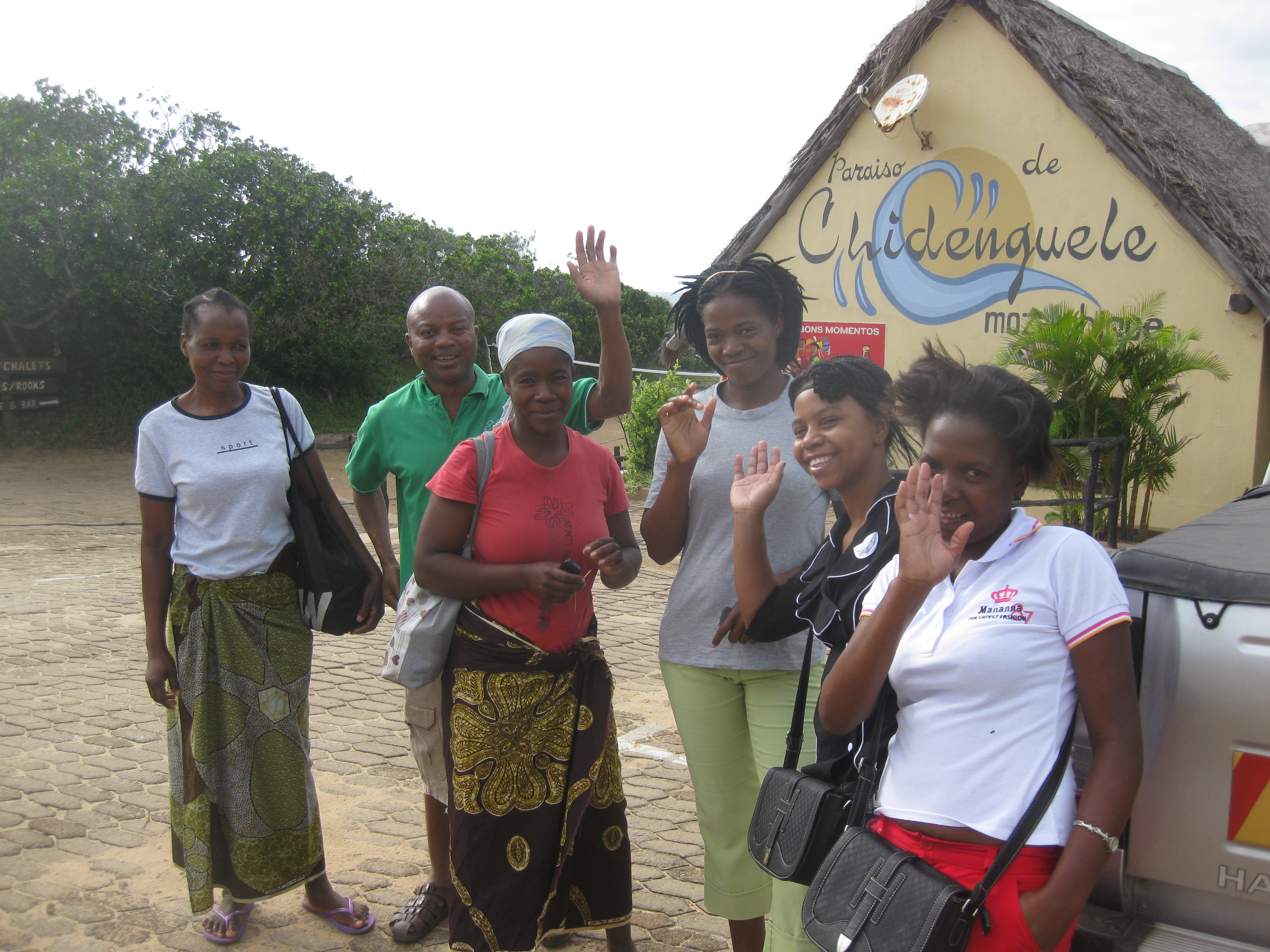
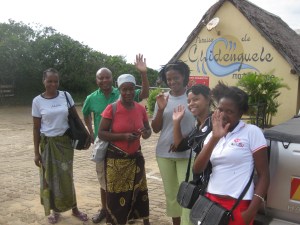
There were many people of all ages walking along the road, on their way to school or work. Many were making a hand gesture to us…kind of like praying, but their hands were cupped. “It means thank you, deep gratitude, with all my heart,” Helder explained. Their way of asking and expressing gratitude for a lift.049 It’s a beautiful thought and gesture. We stopped and picked up a bunch of young girls on their way to school–nine km., each way, every day (see top photo)! Then we picked up some older folks on their way to work. “Welcome to Helder’s chapa,” I joked. The smiles from them all, and looks of curiosity they gave me were priceless. What a way to start the day!040
Minutes later we pulled up to an oceanside hotel, up high on a dune, overlooking the magnificent Indian Ocean. Breathtaking. I could hear the waves breaking in the background. It was a spectacular moment. 047We hurried down to the beach, and quickly I was in the water, minding the rocks, rip tides, and marine life. I even managed to body surf a couple of really good waves. And not a soul in sight, except for Helder. Magic.053
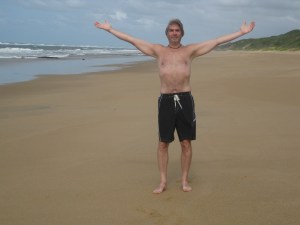
Most of the yuck of the previous day had passed. And I was so grateful for that morning at the beach. Feeling better, I decided to go to the conference lunch. And guess who I just happened to sit with? The universe works in mysterious and interesting ways. I approached them with fresh eyes and no resentment, and it was OK.

Tuesday afternoon, we headed back to Maputo, about four hours or 250 km. On the way Helder talked about the problems most Mozambicans have in business. Although many are involved in selling goods of all kinds, when it comes to quantity discounts, standards, caring for the client, thinking differently, and solving problems from a business standpoint, they can’t or don’t do it. This is a big problem. This simplistic or naive approach to business may begin to explain (and I’m extrapolating here) why so many Africans have been ripped off and taken advantage of. And with the eyes of the world on Africa’s plentiful natural resources, the consequences of not being business savvy, and allowing others to pillage will be dire.

We made a few stops along the way, connecting with some of the road side folk. Again I noted how much my behaviour and attitude affects outcome. When I approached these people with uncertainty, that’s exactly what I got back. As soon as I caught myself doing that, and turned on the “MoJo,” the whole interpersonal dynamic changed….smiles, jokes, handshakes…connection.

Wednesday and Thursday…back at the office, finalizing reports, and saying my goodbyes. And the weather has been mercifully cool and comfortable. First time in my two months here.

I had one final (let’s hope) brush with corruption walking back to the office from lunch on Wednesday. A policeman pulled me aside and asked to see my documents. I always carry a copy of my passport with me. He looked at my paper and said: “no, no…this is a big problem.” We went back and forth for a few minutes, arguing, clarifying, BS. He was clearly looking to be greased. I looked him straight in the eye (I had to look down) and said: “diplomatica de Canada…do you want me to call them right now?” “You can go,” he said, looking defeated. Jonathan 1. Corruption 0.

I closed out the week with two very heartwarming conversations. Wednesday night, in the hotel lobby, I was chatting with Domingues, the receptionist. “Your first time in Mozambique?” he asked? Yes…first time. “You have really learned about us, and our country, Mr. Jonatan.” And then with Ida, at work Thursday morning. “We have really enjoyed you,” she said. ”You are different. You have tried to become one of us. You care about us, you have brought empathy.”

One for the road
Here’s a really nice piece from Tiela Garnett’s blog. Something that is starting to click with me, especially after two months on the road:

“Our suffering as human beings comes from investing our focus in the external illusion rather than the internal reality. When careers, activities, and possessions become more important than humanity, compassion, and kindness, we know we’re in trouble. Our daily activity needs to be an expression of our true nature, rather than a way of defining it. We need to be who we are first and then allow our activities to flow naturally from that source.”

I have met many people and observed many different things over the last eight weeks. People who I have really liked, some not so much. People whose character I admire, others not so much. Customs, traditions, practices, and behaviours that are wonderful, others that have driven me right round the bend. They say that what you see in other people is simply a reflection of those same characteristics in you. This has given me lots to ponder. But overall, it has all been consistently positive energy, at least that’s how I have chosen to experience it, which tells me something.

Life on the road, immersed in the unfamiliar and unstable, seems to bring out the best in me. And yet I know the dark side is still there, as it lurks to varying degrees in all of us. Mine has a tendency to come out more often closer to home. I need to change that. I need to think about why it is that I become complacent with the familiar. Maybe I need to find ways in everyday life to keep myself off balance.

Whatever happens, I know that I have definitely tested and pushed the boundaries on this trip, in unfamiliar territory, in so many different ways, on so many levels, and that I have used all my skills to do it. Even some I had no idea I had. This has been a very expansive way to live my life: aware, conscious, and open to what is happening now, and recognizing how this will affect who I am moving forward. And there is no question that I have felt more alive than I ever have before. As Chico said to me a few weeks back, “don’t think, just do it.” And I have.

I’ve never really given much thought to the chakra energy centres of the body, but maybe this is what it feels like when they are open and energy is flowing. Four in particular I am aware of because of my journey to Africa:
–heart chakra…I nourish the universe and the universe nourishes me.
–throat chakra…detachment…expression of authentic self…my actions are blissfully free from the outcome.
–intuition chakra…connection to purpose…my life is in harmony with cosmic law.
–crown chakra…pure potentiality….I am a field of all possibilities.

I have observed people doing their thing. Living their lives. Animals doing their thing, going about their business and simply being who they are: crabs being crabs, birds being birds, elephants being elephants. The lesson for me is that I need to do the same…simply be who I am, and not allow anything or anyone–including and especially me–to muddy that.

I begin my voyage home in two days, and will be reunited with my wife, son, friends, and family. I know she is proud of me, but I am also proud of and grateful to her for giving me the room and encouragement to take this journey, thousands of miles away from home, into the heart of Africa. But perhaps more importantly, I have also made the journey within, into the heart of who I am.

Two months is a long time. In some ways it has gone quickly, but in other ways it has felt like a year. In a good way. I have tried as best I can to become part of something here, and succeeded for the most part. But I am ready to go home now.

Although this will be my last post from “inside” Africa, I still have lots of information to process. I will be back a few times over the next several weeks with some closing images and thoughts as I re-adjust to the life I knew, incorporating some of what I have learned.

Thank you for sharing the journey with me.

MoJo
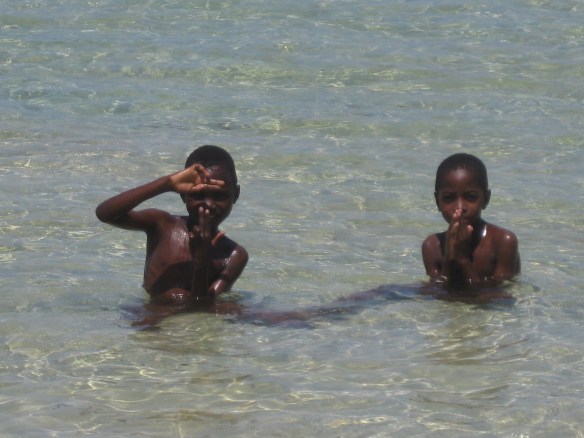
007

Into Africa–March 7, 2013

265Before I get into the week, here are a few random thoughts and observations. In many African countries, women still have no rights and are considered the property of men. Once she has been bought, a man is free to use and abuse her as he pleases. This used to be the norm across the continent; now less so, but still far too frequently which is very troubling. I firmly believe that if women ran countries there would be far less violence within and between countries. But I digress.

This does not seem to be the case in Maputo though, and I would guess most urban areas of Mozambique. Women are very aggressive and outspoken here. I have been asked by many local men why I don’t have a girlfriend. That is the culture. Friday nights are “girlfriend” nights. I tried to explain to one colleague why I cannot take part in that. “But you don’t have to tell your wife, she’s not here,” he said. I told him that that was not the issue…that I would know. It might be different if I where raised here to think that way, but I was not, and cannot. But I suppose the practice is not all that different from anywhere else, it’s just more socially accepted here.

Life expectancy in Mozambique is only about 50 years. Although there is hardly any obesity here and most people look healthy, the overall diet is terrible. Rice and potatoes (especially french fries) are staples with most meals, and not a lot of crunchy fruit and veggies. Lots of mushy food.

Part of it is poverty, but part of it I think is that they just don’t know about nutrition. All they know is what has been passed down to them from parents and family. They have not been taught otherwise.

Mozambique is the 4th fastest growing economy in the world. Really hard to believe in some ways, especially with the huge gap between rich and poor. Let’s pray that with a booming economy, increasing focus on education, and tremendous external interest in Mozambique’s natural resources, that gap will narrow in the coming years.

The week that was…

Minutes after last week’s post, I was very relieved to attend the closing reception of the international conference we hosted. It was cocktail party outside the conference centre featuring the same African musicians and dancers I wrote about last week, the same group that opened the conference…and my observation was that the whole thing felt quite unnatural.

IMG_1388Well, the universe works in some very interesting and mysterious ways sometimes. I was standing there, minding my own business, when one of the Zulu dudes grabbed me and led me to the front of the crowd. He put something on my head, and handed me a spear and leather shield and before I knew it, I was chanting and performing a Zulu war dance with them and three others from the conference! I was the only white guy up there, in a seersucker pants and a jacket. What a site it must have been. My body is just not capable of moving the way the Zulu do, but I gave it my best shot. As I have done with every aspect of this incredible journey.

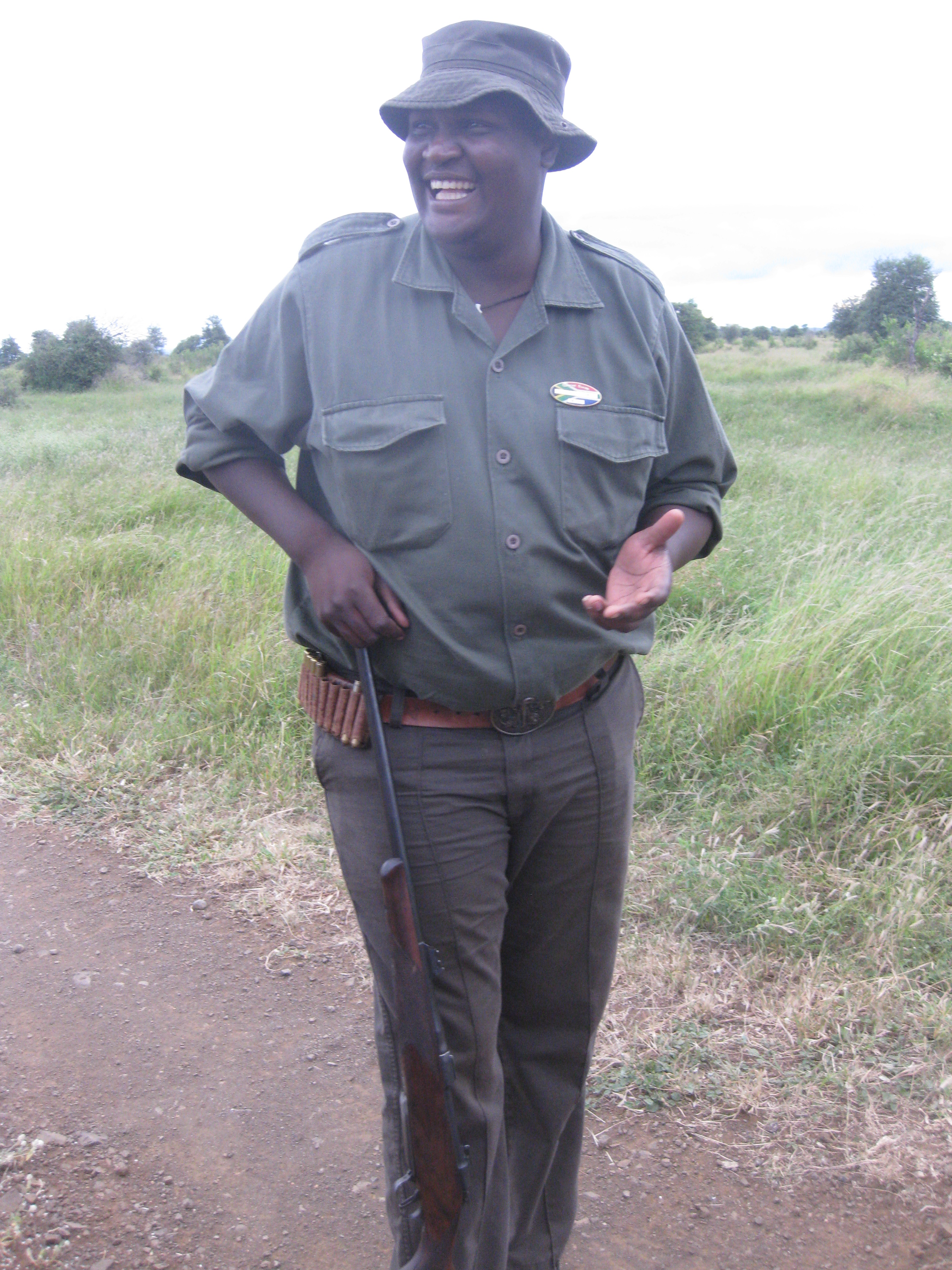
I worked half a day on Friday, then off with my friend Liz, her two kids, and brother Sean235 for a whirlwind tour through Kruger national game park in South Africa and Swaziland. Sean and I went for an amazing three-hour open-vehicle sunset safari Friday night (or as Charlotte says, “safaaawee”…so cute) . Our Excellent guide (yes that’s his name) was a knowledgeable guy with a quirky sense of humour. He was comfortable and relaxed, but his eyes were fascinating–they never stopped moving, as he constantly scanned the terrain, on permanent alert. Like a predator.253

Kruger park is one of the largest in Africa, about 65 km west to east and 360 km north to south. It is home 547 species of birds, 147 species of mammals, and 114 species of reptiles.

I had no real expectations on what the experience would be like and what we might see. But in three short hours, it felt like the park animals gave us a real show, with impalas, hippos, elephants, wildebeest, buffalo, kudus, bush babies, porcupines, water bucks, and zebras all around us. We even spotted, albeit at a distance, a couple of lions and the rare black rhino. Apparently you can drive through the park for days and weeks and never see these. 247Rhinos, lions, elephants, buffalo, and leopards are what hunters refer to as “the big five” because these animals are so hard to kill, a reference that I dislike incidentally. We saw four out of the five, but the highlight for me was an elephant who just appeared on our right side, just feet away from the vehicle. I had spotted elephants at a242 distance a little earlier, but this was a completely different experience. It was MASSIVE, at least 15 feet tall…and so wise and peaceful looking. I stopped snapping shots and tried to just take it in. Magic.

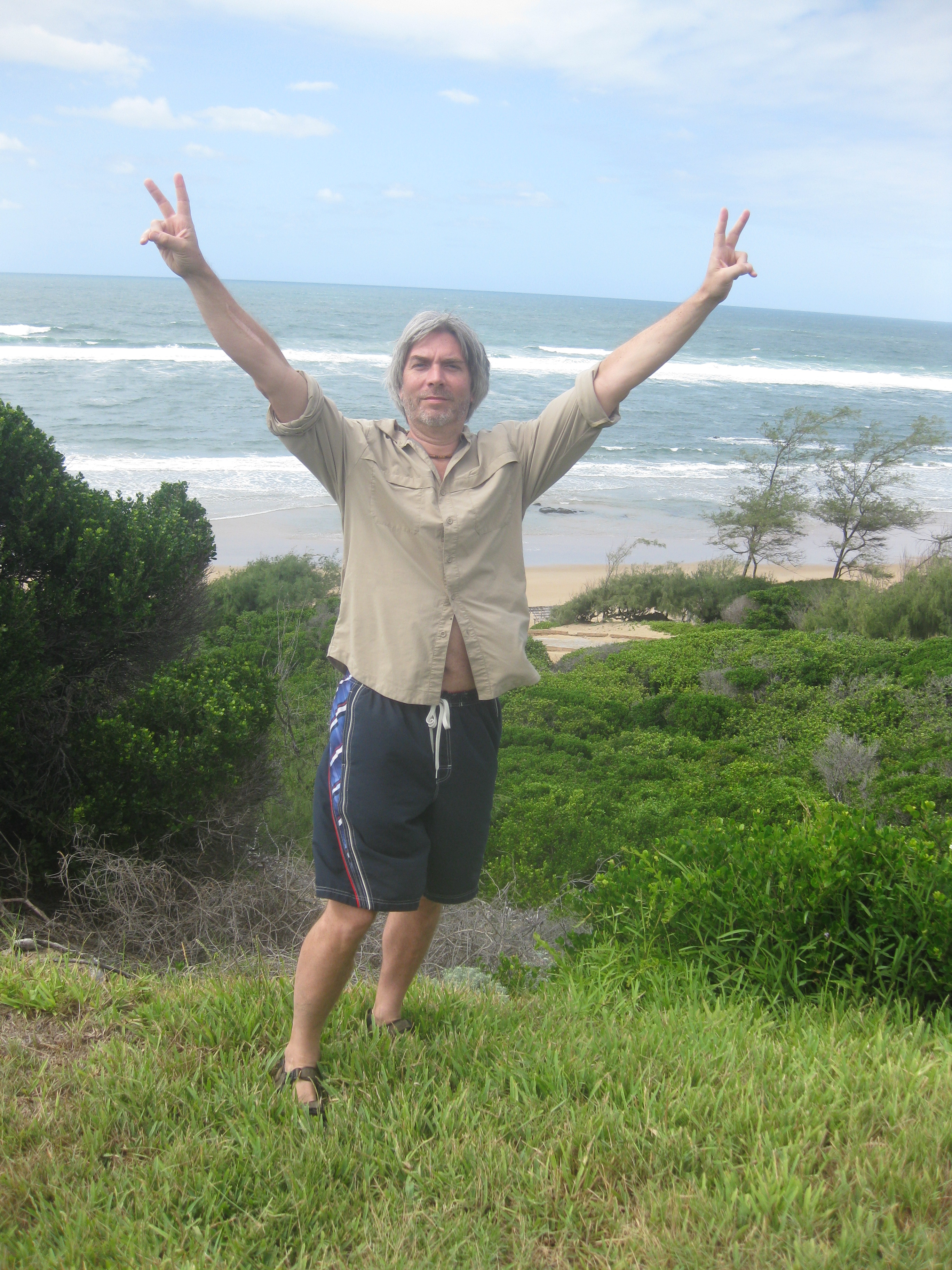
One funny sidebar…about a year ago I bought this great safari-type shirt. Breathable, versatile, well designed and very comfortable. This will be perfect if I go on a safari one day, I thought. Ironic then that I did not have this with me for the safari (in the dirty laundry pile back in Maputo), and instead was wearing bright blue golf shirt! Very wilderness looking!251

Then up very early the next morning for another drive through the park, this time with the kids and Liz. More buffalo, elephants, zebras, as well as giraffes, vultures, turtles and more. Honestly, I wasn’t sure how well I’d fare inside a vehicle with two young kids for hours at a time, but I approached that as I have everything else on this trip, with openness to the flow. That attitude of acceptance changes everything.

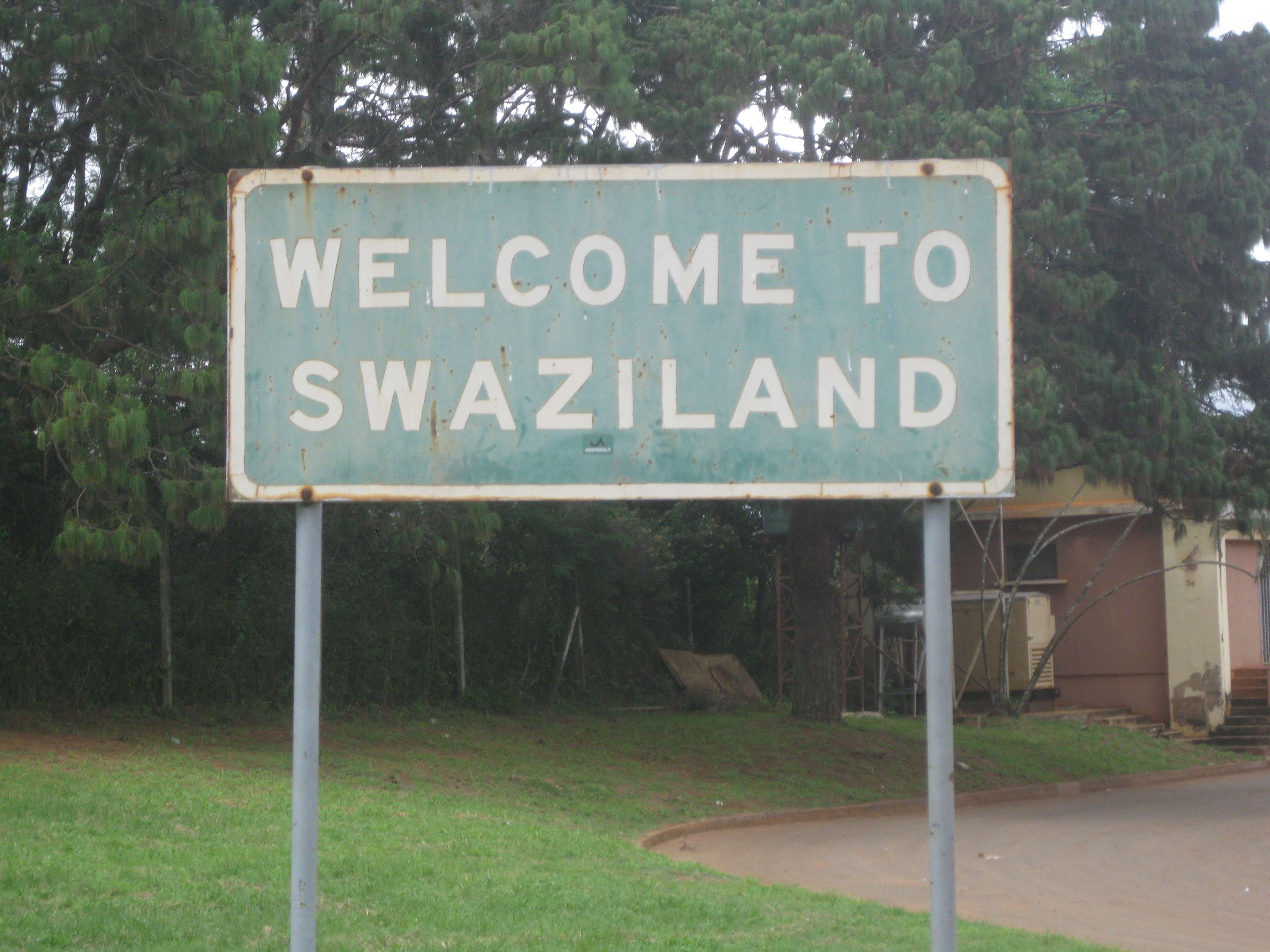
The journey continued through South Africa to Swaziland, as we wound our way 110through the mountains of this small country (about 150×100 km), the last remaining monarchy in Africa. Interesting how this landlocked country, one of two in South Africa (the other being Lesotho) has managed to non-violently remain independent from British and South Africa rule. A country rich in tradition. Every year, for example, there is a national celebration where the king takes a new bride (he is about to about 13 now!). It is a showcase event for all the eligible women in the country. Is it a surprise then that about a third of the country is infected by HIV/AIDS.

The countryside is absolutely stunning, and there is certainly a different feel from South 283Africa and Mozambique. More orderly than Mozambique somehow, but not as modern as South Africa. We stopped at a little craft place with beautiful views, and minutes later, a massive water dam. We continued through the mountains, with pavement turning to dirt road. I started to feel that familiar tingle of worry and unease, not sure where we were headed and feeling like we had made a wrong turn. Being in the back with the kids, I had not really been paying attention. And we were beginning to lose daylight. No signage, and everyone we stopped to ask seemed to have no idea where we were. The what ifs started swirling around my head. Anyway, it passed and as it turned out, we were not off track at all. It just felt like we were.

We finally made it to the Mozambique border around 7:30 pm, where we discovered a problem with my entry visa. After about an hour of negotiation and waiting (thank you Liz), we sorted it out and were on our way. Just another part of the adventure. I probably should have paid more attention to the process, and been better prepared. As Sean pointed out, in the big picture it was a good thing because it showed that the immigration system can work the way it is supposed to. But I am so glad that we discovered this then, and not at the airport in a week from now, as this might have prevented me from leaving the country!

It was a wonderful tour, and I am so grateful to have had the opportunity to do this with friends.

Sunday was a grey, windy, and unsettled feeling day. It matched the tumultuous feeling I had inside of me. I wandered across the street to the park where an afternoon music and food festival was unfolding. I just wasn’t in the celebratory mood. I was off. It happens. But much less often than it used to. And I know that it passes, and not to let it discolour everything else in the meantime. Learning.

I ran into Vally, a musician I met about a month ago in a club who, at the time, seemed very eager for me to play with him and his band. When I followed up by phone and text a few days later, he never responded. I saw him again about two weeks ago and he apologized and said his phone was broken. Then he asked me for money to get drugs for his sick child. I didn’t buy it because I don’t trust him. Then I ran into him again at this festival on Sunday. He apologized for his phone again and for asking me for money the last time we met. Then he asked me for money again. It really bothered me.

The relationships I have formed here, by and large have not been based on money. And this dude is shifty, insincere, and disingenuous. There is something about this sort of person that really stirs something up deep inside of me. I gave him a few bucks anyway, and off he went. I have since learned that Vally is a drug addict which explains why I felt the way I felt.

Later that day Domingues, one of the hotel receptionists, asked if he could borrow a cable to re-charge his phone. And then he said in his broken English: “I love you Mr. Jonatan. You are the best.” And everything re-balanced.

Monday was a better day. Less than two weeks to go and I feel my time running out. I met with someone from the Ministry of Education about website issues. Before we got to his questions, I pointed out that the average can’t even find or get to the website. Seems obvious, but I need to keep reminding myself of where I am. I keep hammering home the universal message that you must think and act like the audience you want to reach, regardless of where you are in the world.

I returned to the office and had a chat with Alberto, one of my colleagues. He was asking me about my visit, with some very insightful comments abou how difficult it can be in a strange place, far from home, different culture, language barriers, the feeling of being alone. “That describes it perfectly,” I said, “but I managed, with help, to adjust very quickly, and I am very proud of that.”

“Ahhh,” he said wisely. “But your approach from the very beginnning has been very open, and very friendly.” He’s right. I have been. Flexibility, awareness, thoughtfulness, a willingness to help and serve, and finding my rhythm quickly have made all the difference, and made this an experience I will never forget.

Tuesday I was flying, starting to wrap up meetings and reports. I met with Chico at the end of the day, and we practiced together, just the two of us, for about two solid hours at his home. He was sober, rested, and focused. I really loved this particular practice because it was more than just me learning his songs…I was actually collaborating with him, suggesting a few changes in wording and structure to his songs. He was open, appreciative, and into it. We’re working on three songs, which I may perform with him and the rest if the InTransito band next week. After we’d run through each of them about four times, he kept saying: “one more time, for the road.” Then his wife Anita made us tea. One tea bag, three cups.

This practice marked a turning point in that up until now, I have been driving the process. Tuesday night Chico asked me if I wanted to practice at his place the next night as well. He also gave me one of his percussion instruments. I will treasure this always, and hopefully put it to very good use in the coming months.

Wednesday we had another rehearsal together. Again, a very interesting practice…I made suggestions and am becoming more confident, and Chico was doing harmonies this time. The songs are evolving. No ego, no expectations, no agenda…just open. “Very good,” he said. “You are ready.”

This morning (Thursday) I was able to arrange a interview with the Canadian lead of this educational reform program at Radio Mozambique. It was a great 10-minute interview. The host was prepared, had good questions, and Suzanne delivered important key messaging like a pro.

Off to the beach this weekend for the first time since I arrived, followed by a visit to one of the training centers early next week.

I will close with a quote that I really like from Ram Dass which ties it all together quite neatly this week. Something to continue to strive for:

“We are all affecting the world every moment, whether we mean to or not. Our actions and states of mind matter because we are so deeply interconnected. Working on our own consciousness is the most important thing that we are doing at any moment, and being love is the supreme creative act.”

‘Til next week…

MoJo269

Into Africa–February 28, 2013

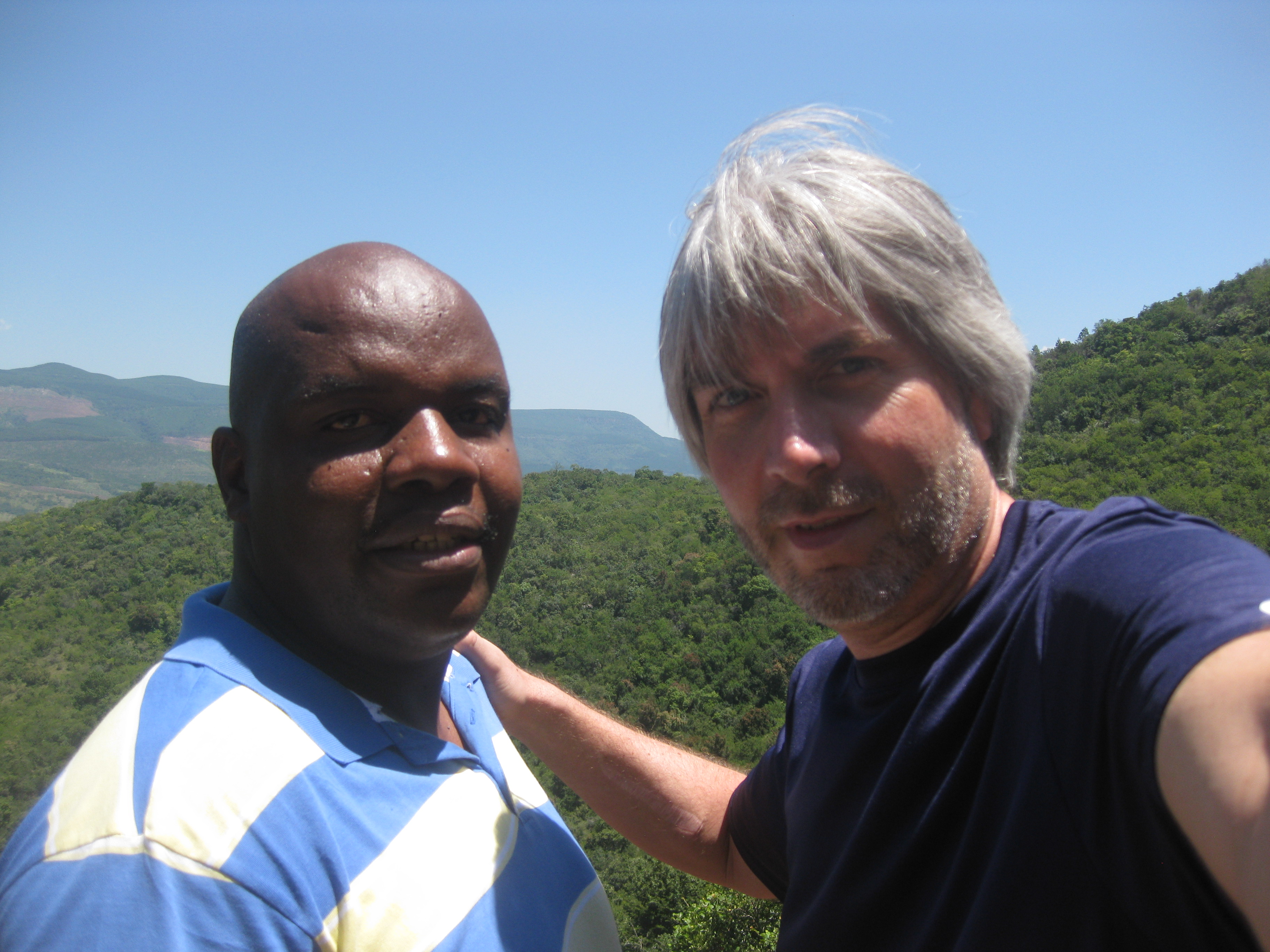
Me and Jackson just outside Nelspruit, South Africa.

Me and Jackson just outside Nelspruit, South Africa.

I finally took a day off last Friday, and travelled to South Africa for the weekend. Liz was running a race on Saturday, so I hitched a IMG_4738ride to Nelspruit, about 200 km west of Maputo. I felt the difference as soon as I crossed the border–from third world, to what seemed to be more like my normal. Roads are in good shape, the land is irrigated and cultivated, buildings are well maintained, no garbage, malls, good medical services, everything is stocked, etc. Ironic that in Nelspruit it is not safe to walk alone at night.

Liz dropped me at Jorn’s B and B…an immaculate little place where everything has been carefully thought out; everything is just so (run by a German). This cute little dog was there to greet me and Johannes, a very gentle, man made me feel welcome. IMG_4740A very nice man–Jackson– picked me up and brought me to a mall for dinner. Safer that way he said. I had a nice steak and a huge glass of wine for about $14. In fact food and accommodation here in Nelspruit are quite inexpensive, and top-notch quality and service.IMG_4742

I had not planned ahead, and unfortunately was not able to get onto any local tours of what they call the “Panorama Route,” but negotiated a deal with Jackson to bring me to a few places. He picked me up at 10 am Saturday morning, with our first stop being the Sudwato caves, a huge system of dolomite caves inside a mountain, formed hundred of millions of years ago. Stalactites, IMG_4756stalagmites, and all kinds of other formations that have taken millions of years to create. The guide pointed to one that was quite small, but grows only 2.5 cm. every 100 years! Part of the cave system had been excavated to build a 400 person amphitheatre where they have concerts and other events. Something about the type and porousnous of the rock make the acoustics incredible. I hadn’t really thought that I’d enjoy the caves, but it ended up being a pretty cool experience.

IMG_4760Then onto the chimp sanctuary where they rescue and rehabilitate abused chimps from all over Africa. Some come from circuses where their fingers have been cut off. Some were bought and sold as pets, and become abused once they are not quite so cute and cuddly anymore, and clearly can’t be kept as pets. Many have been fed junk, given booze and cigarettes; in fact many arrive at the sanctuary as full-blown alcoholics (maybe a whole new clientele for my wife!). Sorry…not funny.

Each of the 34 chimps had a very unique and tragic story of being abused. Cozy is regarded as the crazy uncle by one group of chimps. He was given experimental “test” drugs for many years by a drug company. When they did not need him anymore, he was sold to a circus. Then he ended up on the street of Italy, beaten, castrated, and abused by his owner so he would perform tricks. No wonder that now he is a little crazy and not fond of humans. In fact none of the chimps are. No surprise.

Chimps are now being poached by the truckload in different parts of Africa. Their numbers in the wild have dropped from 1 million to 120,000. Apparently chimp meat is an expensive delicacy, but I can’t imagine eating something that shares about 98% of my DNA.

But really the best part of the day was spending it with Jackson. He is from Zimbabwe originally, and has been in South Africa for about 20 years. He is married with three kids, and is about 43 years old. he is VERY talkative, with a very easy temperament. And very wise. He talked about all kinds of things during our time together, about his country, culture, traditions. But he also had some simple but profound wisdom on life, relationships, marriage, career, purpose, business. Jackson is not much of a listener granted, but that was OK by me. I was happy to just soak it up. I mentioned surfing at one point, and how much I love it, but that I’m not that good at it. “Not that gewd (good) implies comparison to someone or something else,” Jackson said. “And that just doesn’t matter.”

While I was touring the chimp sanctuary, Jackson picked a bunch of leaves from the gum tree, and gave me a whole pile of them. You boil them and inhale the vapour, and apparently cures colds, the flu, chest problems, and congestion. I tried it Sunday night, slept like a baby, and woke up feeling great Monday morning.

It is very curious sometimes how and why we meet certain people. Jackson was put in my path for a reason and I am grateful. “I’m happy to see the sights,” I said to him, “but the best part of the day was spending it with you.”

Saturday night I enjoyed a lovely meal and wine tasting with Liz and her friends at their B&B. Beautiful food and wine for $25. And on the way back Sunday, we had to slow down for a family of baboons crossing the highway, from one banana plantation to another! It didn’t really phase Liz, but it certainly got my attention!

All in all a real treat. I welcomed change if scenery, and a nice break from the big city and everything Maputo. Although it did make me think…I travelled from third world to “civilized” country in a couple of hours, and yet it’s not safe to walk the streets at night in much of South Africa apparently. A mugging here could easily be a murder. Not so in Maputo.

But what both countries have in common is what little value they place on human life. Everyone is expendable. If I got knocked down by a car in Mozambique for example, life would carry on, and there would be few repercussions. About two weeks ago, a woman jumped from an apartment building, landing on a car many stories below. This happened steps from my office. Two hours later, some people showed up to clean up the mess (not really sure who they were). The way they treated the remains was appalling. They unceremoniously scooped up the remains and shovelled it into the car. No human dignity.

Life means very little, but the pursuit of money means everything. And money means corruption, which starts at the very top. It’s really quite depressing. So if you live in this environment, how do you not become cynical? How do you not get overwhelmed by an overriding feeling of futility?

Working it out

On the work front, we hosted an international conference this week. Organizing something like this here is very different from home. Everything is last minute, and many things don’t get done. Getting a quote, approval, or signature is a major ordeal. There is rarely the sense of urgency I am used to when approaching a deadline. Everything takes much more time, especially if you need other people. Internet is unreliable, as are printers and other office basics.

Helder and Ilate the night before the conference. We just stuffed a conference bags!

Helder and Ilate the night before the conference. We just stuffed a conference bags!

Just trying to get a few extra tables set up at the conference took three separate meetings with a total of eight people! WTF! One of the only times since I arrived where I kind of lost it, but at least they don’t understand English swear words. I get overwhelmed by it all sometimes and wonder how we will ever get the job done, but I have also learned to surrender to it. I flip back and forth between maddening frustration and surrender. At times I have been very critical of some people and situations and that does not feel good.

I am trying to break down barriers and create relationships everywhere as best as I can, including work, and that has taken me a long way here. But I also realize that I will not succeed in connecting with everyone, and not everyone will like me (as hard as that may be to belive!). But that’s ok. I am learning not to care so much. I do the best I can and try not to get too wrapped up in the outcome.

IMG_4775One (of many) though-provoking moments was at the opening. There were 12 African musicians in full costume playing and dancing. Having been here now for six weeks, it seemed like the most unnatural thing to be happening in a conference centre. But I guess if I were a participant travelling from another country, I can see how this might feel like a fun, typical, and “cultural” way to kick off the conference. We also managed to get lots of media attention….TV, radio, newspaper, and online which was a big plus.

And on the first day, this paraphrased thought from Neil Donald Walsch came my way. The timing was perfect:

Although conditions on the exterior of your experience will change, your highest benefit will come when your conditions on the interior remain the same.

In the end, the conference came and went and was successful. Certainly not exactly the way I would have wanted it in a perfect world, but well received overall. I am and proud of what we were able to do under the circumstances, and in particular, the in depth media coverage by Mozambique’s biggest TV station. I worked this one really hard, and this story will be a very important example to demonstrate the power of working with media to shape the message on why education reform is good for the young people of this country, and how they can access these new programs.

With two weeks to go, I still have lots of work to finalize

And thoughts of home are swirling around in my head.

He shoots….

A bit of a tangent here, but I will wrap up a story I watched on CNN that really bothered me about the Israeli soccer team. They recruited two Muslim players for the first time ever, and the reaction of many fans has been nothing short of hateful, and the hate is spreading. Many are violently opposed to this, and will only support a purebred team. In the words of one fan “muslims are my sworn enemy, even if they are a good person.” Somewhat ironic given what their ancestors lived through. This hard line, inflexible, intolerant approach reflects what I think is perhaps the biggest problem in the world today. How can their ever be peace with this attitude?

I will close this week’s post with a short but relevant and poignant story from the Dalai Lama:

Someone asked the Dalai Lama, Why didnt you fight back against the Chinese? The Dalai Lama said with a gentle smile, Well, war is obsolete, you know. Then, his face grave, he said, Of course the mind can rationalize fighting backbut the heart, the heart would never understand. Then you would be divided in yourself, the heart and the mind, and the war would be inside you.

Til next week,

MoJo

Into Africa–February 21, 2013

056Without a doubt, the highlights of this past week were my visits to two schools.

Soon after I arrived, I began asking friends and colleagues about schools that might be in need of all the things I brought with me, courtesy of many of you (money, soccer balls, pens). I also wanted to be sure that these gifts would not end up in someone’s pocket. Initially I thought maybe the flood victims would be a good place for it. But they are getting lots of attention now, with millions pouring in to help.

When I talked to Ida, a graceful woman who works at the same organization as I do, I had very good feeling (and I’m learning to trust those). She has lived here her whole life. She was part of the movement and war that led to independence in 1975, and then the civil war that started a few years after that, ending in 1992. The country emerged from that period of strife crippled, and the slow journey to re-build began. Ida is fiercely patriotic, determined to do anything she can do to improve Mozambique. She fights for human rights, is part of many causes, and is outspoken (not a common female trait here). She could be earning a very good living in the private sector, but chooses to stay in education to try to help the next generation. She holds down several jobs. It’s ironic that in a country that is trying to re-build its education system, they pay those that deliver it next to nothing…about $600 per month. Rent is about $500. This is a whole other issue for another time.

Anyway, Ida mentioned two schools that she has been involved that really need help: Casa du Gaiato (House for Boys), and Escola Secondaria Forca do Povo (Strength of the People Secondary School).

Casa du Gaiato is a school for boys who have lost their parents. It is run by a priest, Father Jose Maria, a very nice man who has been doing this for about 40 years. It sits on a site that used to be riddled with land mines. Most of the boys were found homeless and living on the street. Some have been bought and sold. They come from a range of horrific backgrounds, and predictably, many have serious emotional problems. There are 150 boys, ranging in age from 2 to 18. The school is not supported by the Government of Mozambique, but had been funded by Spain and Portugal when it began again 12 years ago. But they have stopped funding it since the economic downturn, and the school is trying to survive.018

There are five different houses for various age groups. The boys themselves run the houses, with a “chef” and “co-chef” in charge of each group. They meet every day to talk about problems highlights and lowlights in each of their houses and work on solutions. All boys are housed, fed, and taught. They all have responsibilities with their houses, working the land, preparing and serving meals, etc. There are no fences, so any boy can leave if he wishes.

It is a brilliant model. Many of the boys go onto university. One beautiful young man I met–Manuel–has shadowed a doctor for 10 years, and is now providing medical services for the school and the nearby village, while attending university in dentistry…and I think my life can be busy! Every day he commutes four hours to and from Maputo.

Manuel and Ida at Casa Gaiato

Manuel and Ida at Casa Gaiato

Ida and her husband Jose picked me up early Sunday morning, and we arrived about two hours later during the church service. A stunning open air building carved right from the rock it sits on. All the boys were there, as were the girls from the nearby village. I tried to sneak in quietly and sit in the back, but most were very curious, and kept sneaking peeks back at us. Check out a short clip from the serviceAfter church, we met with Father Jose. I gave him the equivalent of about $300 and a bunch of pens. Of course, many of the boys followed us around and were very interested in the four soccer balls! Then we toured the school: the library, infirmary, art workshop, classrooms, and some of the living quarters. Some of the older boys were a little guarded, but I just kept smiling and waving at everyone I made eye contact with, trying to find some way to connect. I tried to speak a little Portuguese and Changaan, which of course they got a real kick out of (in addition to the soccer balls!). If I want to make someone laugh, speaking Changaan seems to do the trick EVERY time!

A young student art teacher at Gaiato

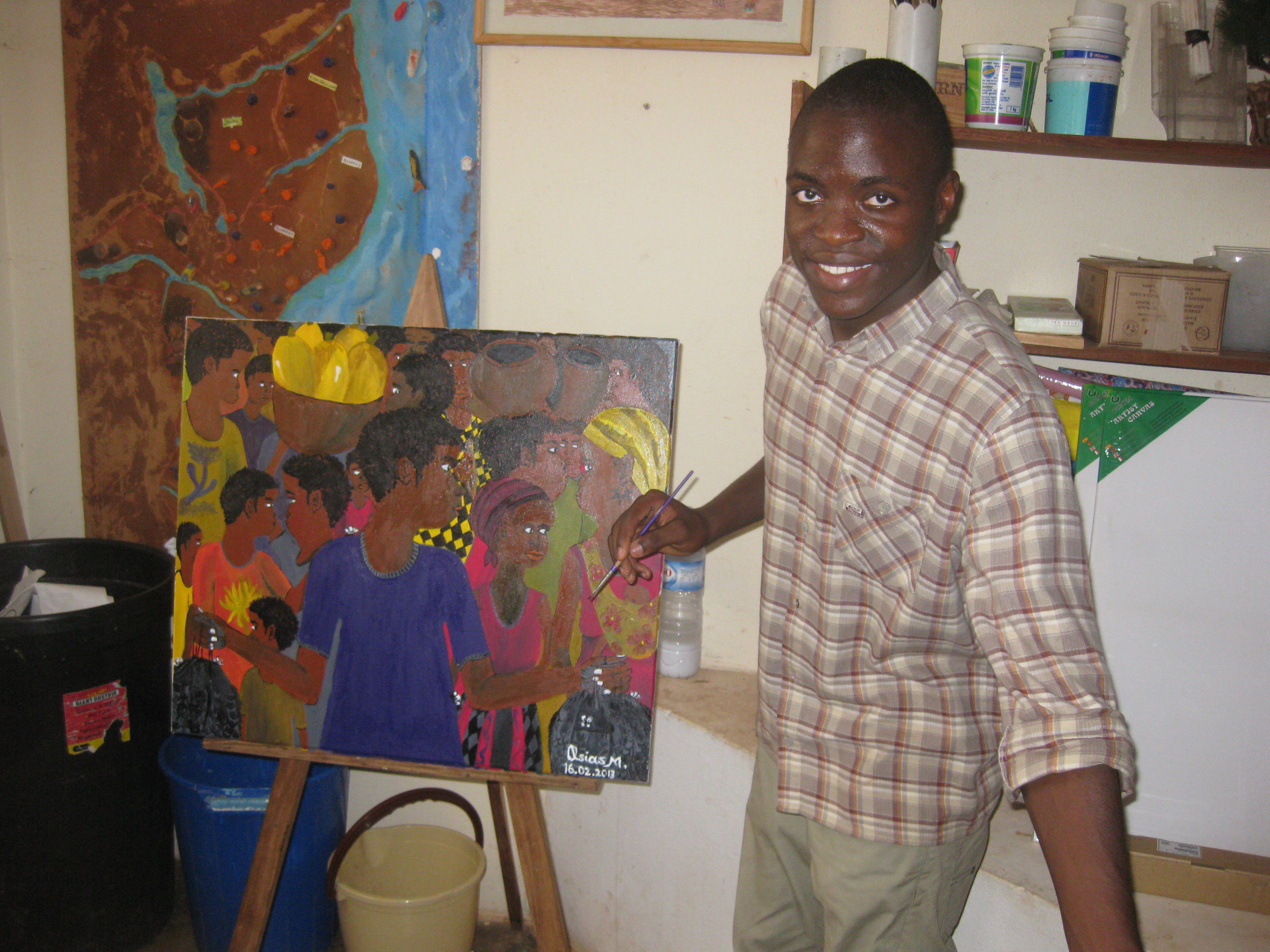
Oasias, A young student art mentor showing off his work at Casa Gaiato. Imagine if he had some training…

We also visited the 2-4 year old house. No one was guarded here. The little toddlers mobbed us as we walked in…smiling and hugging us, trying to find a free arm or leg or anything to grab onto. Then I had lunch with Ida, Jose, Father Jose, and Manuel in the main dining room with all the students. A young boy was hovering around me at the end of the meal, and I felt a special connection with him. I gave him a yin yan necklace and tried to explain what it meant. His little eyes lit up.011

None of the boys “own” their own clothes. Everything is shared and rotated. It makes my wardrobe at home seem gluttonous. I will leave some of the clothes I brought to Mozambique, which I’m sure will also make my wife happy.

It was truly a perfect day, and I am so grateful to have had the chance to do this. Casa du Gaiato is an oasis of goodness and hope in a country where there is not enough of that to go around.

On Tuesday, I visited the second school with Ida, this time on the outskirts of the 045city…Escola Secondaria Forca do Povo. This school is run by Sister Helia, has 3,200 students (boys and girls), and runs morning, afternoon, and evening. In one class I visited, three students share the same desk at one time. This school receives some funding from government, but clearly not enough. Right now the sisters are also feeding and sheltering 400 of the people from Chokwe who lost their homes in the massive floods a few weeks back.

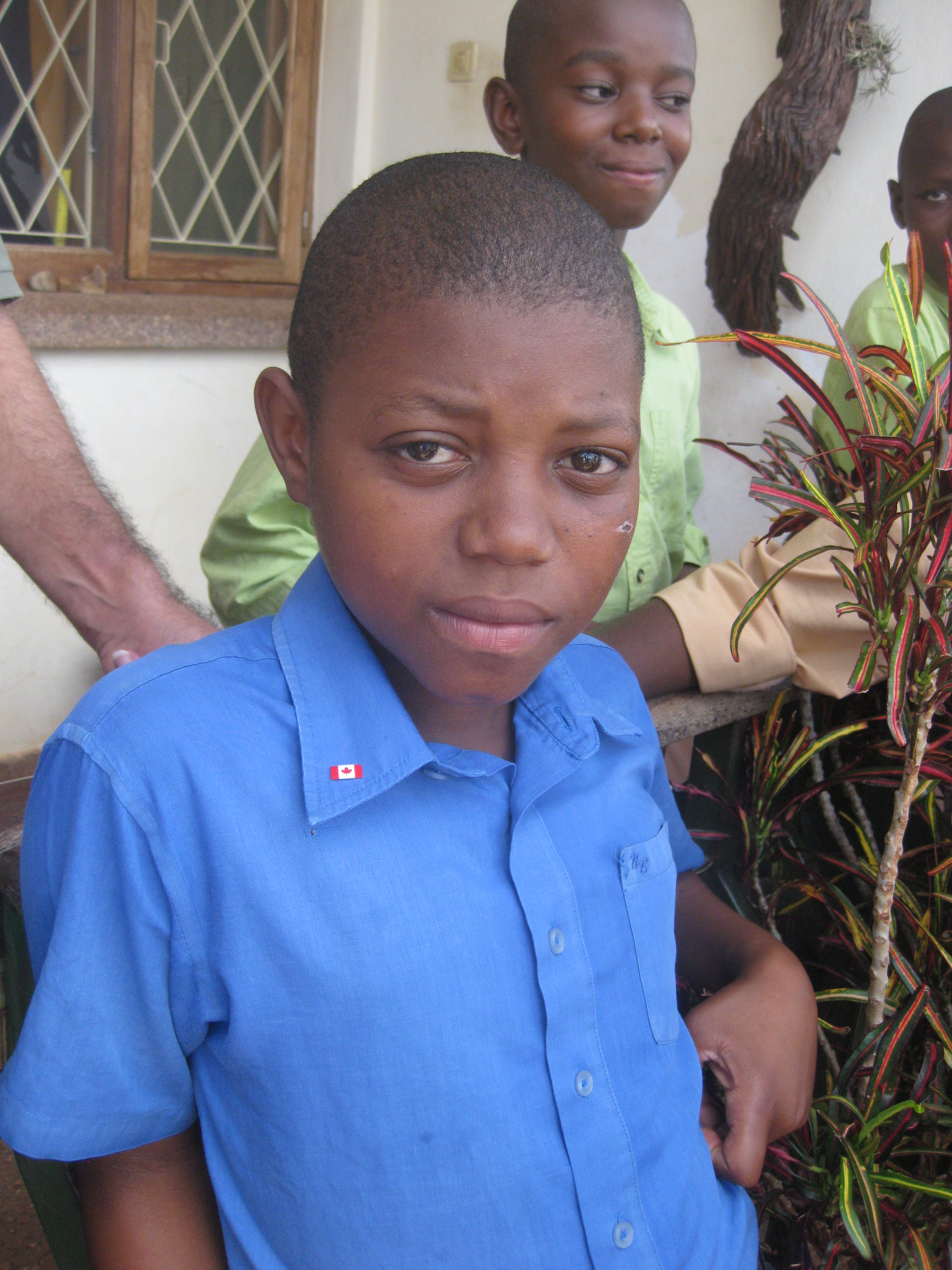
049We went on a short tour, and poked our heads into one of the classes in session. The kids were so friendly, curious, and communicative with me. I guess they must not get many North American visitors! I pinned a small Canada flag emblem on the class leader and she was thrilled.

Then on to outdoor gym class to hand over the soccer balls (see photo at top and video just above). These kids were wide-eyed, smiling, asking questions, giggling, laughing, touching, hugging, and shaking my hand. One even asked me for a signature, and after I signed his notepad, the rest of the class roared with laughter! One girl gave me a big hug and said “welcome to Mozambique.” A real sweetie!061

On the way home Ida brought me to the University where she teaches. She works tirelessly and selflessly and passionately to make Mozambique a better country. She is an inspiration. I asked her about the enormity of what needs to be done here. ”I cannot help everybody, and solve every problem,” she said. ”But I can try to help those in my small circle of life.”

She told me how a colleague of hers was blown up at the university by a letter bomb. Ida was with her just minutes before she opened the letter in a crowded room at the university, actually suggesting she wait til later to open her mail so they could talk. Little did she know at the time that this inadvertent decision would save many lives. Ida has lots of these kinds of stories to tell. She talked to me about the 32,000 students at the university, and how the majority don’t have enough to eat, don’t have electricity, or a desk, or even paper. Despite all of this, and even the poor quality of teaching, they still try to rise above.

028

Rel and Grishan, feeling a little “tired.”

Mozam”bike”
Saturday I accompanied Mike and a bunch of his biking buddies on a four-hour ride into the hills outside the city. It felt wonderful to be out of the insanity of downtown Maputo. It felt even better not to be biking in 33 c weather! I drove the “support” vehicle for the group, providing fuel and fluids, and helping those who had flat tires. And, it was my first time driving on the left side of the road. Sure glad I was in the country for that experience! It was quite an impressive ride for the young and not so young lads. The halfway point was very close to the Swaziland border, and with my visa just about to expire, I had to leave the country to renew my visa anyway. So I walked across the border and back into Mozambique. But of a complicated process, and I was very happy to have Grishan, one of the local bikers with me. On the way I snapped this 026super cool picture on the side of the road. Love this shot.

Heating up
In other news, and in stark contrast to how I felt during my school visits, I felt myself boiling over on a number of fronts as the work week began.  Ready? The enormity of the challenge before me is becoming more and more obvious. A very different way of working. Reminder after reminder that goes unheeded. Basic systems that are not in place or not followed. Last freakin minute everything. We are holding an international conference next week, and all the key players will be here, so maybe I am feeling some of that as well.The constant lack of courtesy on the roads. Obnoxious, aggressive drivers nearly knocking me over on a daily basis. In the US, they’d surely be shooting each other. Everyone seems to be in a hurry, but for what? Cell phone calls that take precedence over everything it seems, particularly in person meetings or discussions. And virtually no one or nothing operates on time.The dirt. The garbage. The oppressive heat. I’ve been trying to get a few things fixed in my apartment since I arrived, including the AC, but everything seems to be a major problem. One morning this week I was drenched by 8 am. And Monday no AC at the office either.

Sometimes, oftentimes, it feels like trying to push water up a hill. And I don’t speak the language. That is a constant challenge.

All of a sudden I am overwhelmed by the feeling of wanting to get out.

Curious that all these things seem to be hitting me all at once. Maybe I’m having a bad day. Maybe it’s cumulative. Maybe being outside of the city for the first time reminded me of a more peaceful existence. Maybe home is calling me stronger now after five weeks. Maybe all of it cascading together into a big pile of yuck.

All of a sudden, I’m not feeling so “flowy.” Jules warned me about this. I need to calm the $%#& down and remind myself that I’m not in Kansas anymore. And switch off the judgment button again. I need to remember all the good things I’ve done and learned in the last few weeks. Good days and bad days are normal. This will pass quickly. Perhaps being in constant hyper awareness and input mode masks that.

I turned it around at the end of a bad Monday when I complemented the cook at the little restaurant across the street on her cooking. Then all the shite above, just faded. Sort of.

I put my head down again on Tuesday and tried not to let it get me down. Same shite, better attitude. Then the visit to the second school. Then one on one practice with Chico, which was powerful. He is a lovely, gentle man. No such thing as ego with Chico. Then some very good results trying to get Mozambican media to cover the conference next week. Who’d have thunk that, eh?010

I am remembering all the good that I have been involved with here, and that there is lots to be grateful for and proud about.

The lesson for me is to accept things as they are, not how I think they should be.

The lesson for the country is to not accept things as they are if things are to change.

‘Til next week,

MoJo

Into Africa–February 14, 2013

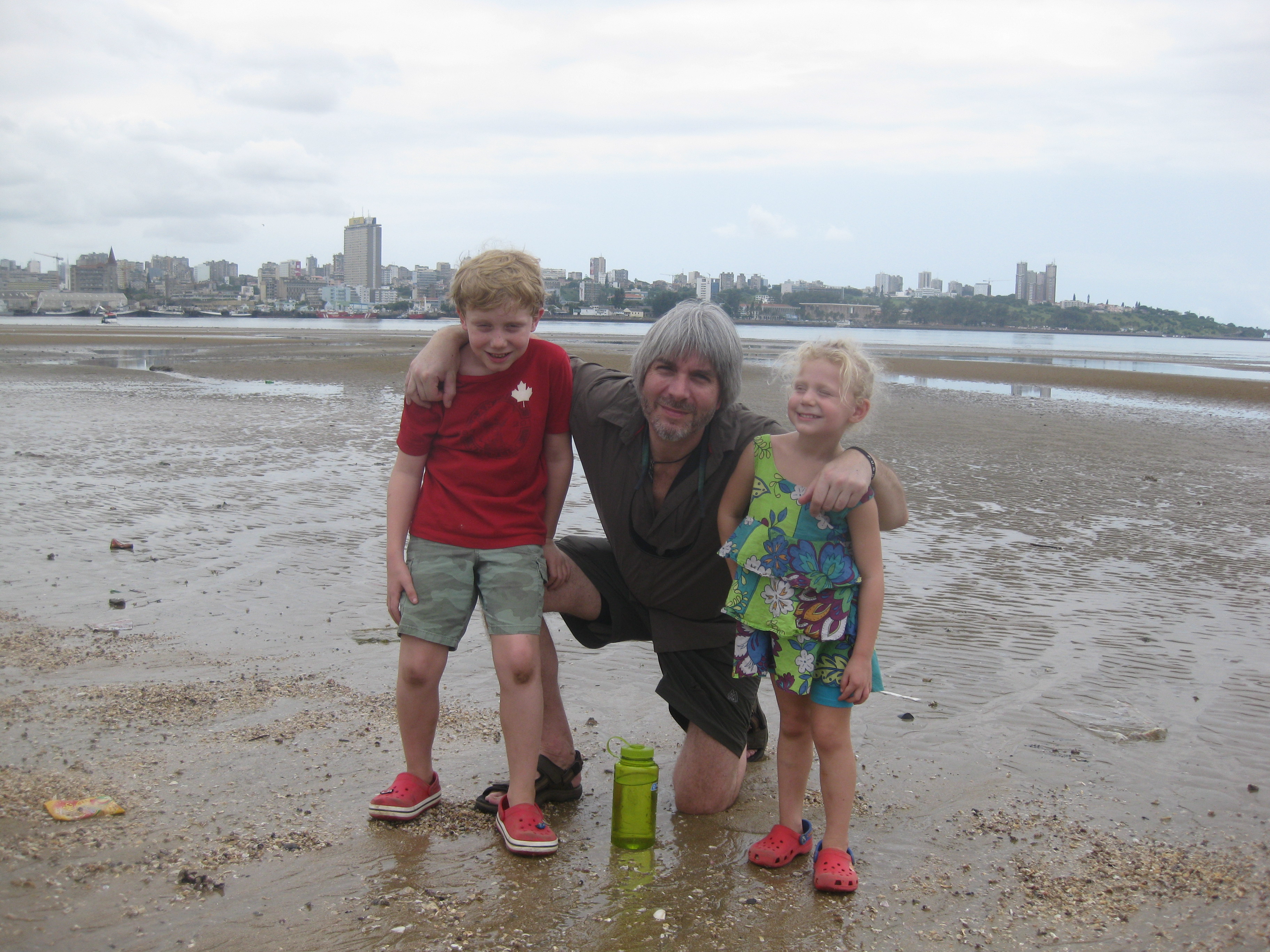
Charlotte, Seamus, and I with Maputo in the background

Charlotte, Seamus, and I with the city of Maputo in the background

“When I let go of who I am, I become who I might be.” –Lau Tzu

This post marks the halfway point of my journey. Thanks for sticking with me.

My wife fell this week and injured her back. It feels very strange to be here, thousands of miles away from home, and not there to help her. I’m sorry Cheri. I love you. And I will be home soon.

Time has moved very, very quickly in some ways. In other ways it feels like I have been here for six months. I am overwhelmed at times by everything, with fear and uncertainty rearing their ugly heads, but I seem to settle myself down quickly.

Here’s a little note I made to myself about three weeks ago: “they have so little in terms of communications, I feel that what I am doing is useful and appreciated. It is not a bullshit bureaucratic exercise in wading through red tape and massaging egos. Maybe that perspective will change, but so far so good.”

I know that politics is inevitable in the workplace, and was under no illusion that figuring out what to do on the communications front and actually getting it done in a very different culture and language would take some very special skills. What I did not consider is that the politics and blockages would come from thousands of miles away.

While I was very frustrated at first, and felt like just throwing in the towel, I eventually came to the realization that in fact what I need to do us re-double and fine tune my efforts, and concentrate on those areas where I know I can make headway at the local level. I must remember how fortunate I am to be having this experience. I also have to keep in mind that this is much different from Nicaragua experience which was physical and hands on. This is office work, and mentally challenging, but just as important just in another way.

I am also very aware of the fact that my “Africa” experience so far has been through a big city lens. Maputo does not define Mozambique or the rest of the continent, so I am hoping to have the opportunity to experience life in other, more rural areas in my final four weeks, hopefully in the context of work and not as a tourist.

Last week I moved to the head office, a short walk from the apartment, and it has introduced a whole new level for my communication work. I am working directly with ministry of education staff, who appear keen and ready to develop and implement communications for the program. But this is a massive challenge because it means changing the culture of the organization. So I am working with as many people as I can, trying to show them how this can help them and the program. If I can get only a few of them to buy in, it will have been worth it.

There are about 20 staff at this office. Very difficult at first, but after a day or two, I began to connect and make headway with several. I am in one big, open office with about eight people. Great set-up to connect quickly. On Friday, Gilberto, who sits right next to me asked me about my upcoming weekend, and then invited me to his home Saturday afternoon! Very open and generous. My reaction at home would surely have been to decline, but not here. Timing did not work this weekend, but I am touched by his offer.

Friday night I was to meet Chico and the band for a rehearsal, but our space was occupied, so I met him at the Franco-Moz cultural center where many local musicians were playing outside in a relaxed, comfortable jazz-like atmosphere. Chude, our band mate was also performing. She was phenomenal–a cross between Billie Holiday and Ella Fitzgerald. Wicked, wicked voice, with so much depth and character. I also met Manuel, a very nice man who used to be the goal keeper for the Portugal soccer team.

Then off I went to another music spot–Xima–to catch another popular local band. The husband of a friend of a colleague is the trumpet player. They asked me to join them on stage that very night! Although the “unknown” terrified me at first (familiar ground) we agreed to a rehearsal first, followed by a performance with me singing lead, at that club in two weeks! We’ll see what happens. Either way, musically things are really clicking!

In some circles, I introduce myself as a singer from Canada. At first this felt inauthentic. Although I may not be as experienced as some others, I have a reasonable amount of talent, I am working on perfecting my craft, and I love it. So I guess I am!

During the performance at the club, all the lights went out…everything went completely black. But the band did not miss a beat…the sign of a very, very tight band. The generator kicked in about a minute later. In fact the power went out across the entire city, and stayed out for almost a full day. Getting home that night was certainly an adventure! The roads are insane at the best of times, so you can imagine the chaos without traffic or street lights! The power has been on and off ever since, which is causing some big problems for those that don’t have a generator (which is most). Appliances, rotting meat, no street lamps, internet. My apartment has one which is very fortunate.

Saturday night I went to a dinner party with my friends Mike and Liz, and a bunch of their Canadian friends and acquaintances living in Maputo. I knew nobody except for them. They commented later how impressed they were on how I “worked the room” which completely floored me. I don’t do this at home, and am usually very uncomfortable in these social settings.

And there was a clear divide between black and white folks…something I did not pick up until just before we left. I had unknowingly sat down at the “white” table, and was oblivious to the fact that there was a second “black” table. I have no idea how representative that is…perhaps in certain social settings. This is in sharp contrast to the rest of my stay here where “white” has always been in the minority wherever I have been. But this has not bothered me.

chalopa 2Sunday, Liz, her two kids Seamus and Charlotte, and I took a small taxi (chopela), and a ferry to Catembe, an area across an inlet with a good view back to the city of Maputo. Then a long walk on the beach (unfortunately strewn with garbage) to a small hotel for an overpriced but nice lunch (they know there aren’t many choices in Catembe and they make you pay). Overall a lovely day, and so nice to spend some time with them. It’s the first time I’ve been to the beach since I arrived, and I felt that wonderful calm sensation I get when I am near water. I wave of homesickness washed over me as well, and I was missing my wife terribly.

On the way back, the “state-run” ferry ticket seller guy tried to charge me double the cost (40 mets), and he refused to back down. He knew that no one was watching and he had a good chance of getting away with it. It was cheap anyway, so I was willing to just pay it, but Liz would not. Instead we walked down the long pier to the small ferry and I gave the ticket collector guy 20 mets cash (the actual cost), which he promptly put in his pocket. Still corrupt, but we were not ripped off!

These sorts of things happen all the time here, and constantly push your boundaries of what you think is right and wrong. You can hold tight to your values, and not get anywhere, or you learn to play the game, which makes you an accomplice. Hard to resolve this in my mind, but I keep reminding myself that the same rules that I am used to do not necessarily apply here.

Yesterday I was verbally ambushed yet again by someone selling sculptures. He chased me down the street, even though I repeatedly said no. I hit my breaking point. I stopped and looked at him in the eye. “Every time I walk down the street, somebody tries to sell me something,” I said. “Do you think I have enough money to buy everything everybody wants to sell me? Am I responsible because you are hungry and have not made a sale today.” He looked at me. I was on a roll. “How would you feel if every time you walked outside, many people harass you, and try to sell you many things?” It felt good to be heard. And I bought the bloody sculptures anyway.

I mentioned last week how unusually open I have been and the efforts I have made to get to know people, including the apartment staff. I tip at times, but also bring them pastries or little treats sometimes. I don’t want it to be all about money. On Tuesday, there was a knock at my door. Bernardo, one of the staff, had tried to write me an English note. With some help of another staff member, he explained that his father had just died and he had travelled to another part of the country to arrange the funeral. As the first son, it had cost him a lot of money. His wife cannot produce breast milk, and so his young child needs special formula. So he was asking me for help. Not necessarily money, he said, he just needed that formula.

I wrestled with it overnight. In my world, this request from a hotel employee is totally inappropriate. It really bothered me at first, that he had put me in this awkward position. And then all the yucky thoughts. I was suspicious. It sounded far-fetched. How uncomfortable would it be if I said no? And if I said yes, would all the staff come to me with their own stories? I also realized that if I tried to check his story with the manager or other staff, he might be fired.

On the one hand it could be that the staff see me as a sucker, and Bernardo was making a pitch to rip me off. On the other, it could be true. And I am here to help in any way I can. And $50 is nothing to me in the grand scheme of things. And it could be everything to him. So after work on Wednesday, I hunted around town, found the formula, and bought it for him.

Ubuntu
Ubuntu is a philosophy of African tribes that can be summed up as “I am, because we are.”

My friend Jules first introduced me to this concept, and I was reminded of it recently by a fellow blogger. Although it does not describe my entire experience here, it continues to make me think. This short piece from David Icke is timely, and the perfect way to end this week’s post.

”An anthropologist proposed a game to children of an African tribe. He put a basket of fruit near a tree and told the kids that the first one to reach the fruit would win them all. When he told them to run, they all took each other’s hands and ran together, then sat down together enjoying the fruits. When asked why they ran like that, as one could have taken all the fruit for themselves, they said “Ubuntu, how can one of us be happy if all the others are sad?”

“I had a greater understanding of the place that ‘harmony’ has in my life,” writes Elle in her blog Reflecting a Life. “It is about simplicity and minimalism, not just in surroundings but in us. It’s about our beingness, about living in harmony with our world and everyone in it. This love within us manifests itself in good deeds, in sensitivity to one another, to caring and being compassionate towards each other and in being kind and generous and forgiving.”

Something to strive for.

‘Til next week,
MoJo

Into Africa–February 7, 2013

chico and jIt was a long weekend in Mozambique, as people celebrated Heroes’ Day. I spent part of it with my friends Mike and Liz and a few of their friends–for dinner, then live music. It’s the first time we’ve all been out together since I arrived. Probably one of the rare adult only nights for all of them. I think they all enjoyed the freedom, something I often take for granted.005

This long weekend also marked the official start of the Marrabenta festival, which means “to break guitar strings.” It also coincides with the ripening of a type of fruit, which is used to make an alcoholic drink called “canhu.” Marrabenta is a type of music, with sort of a Caribbean feel. Not something I can listen to for days on end, but I still enjoy. Anyway, Friday night I went to a show at the Franco-Mozambique cultural centre (I know…another strange combination…who’d have thought I’d end up there?), featuring many of the stars of this genre, who each did about three or four songs–the cream of the crop you might say. Many of the performers were older, with younger players supporting them. Very respectful of the older generation. Two in particular I enjoyed: Cheny, a young guy who played this xylophone looking thing with incredible flair and intensity and Neyma, a middle-aged female performer with a great voice and some incredible dance moves. The show went from 9 pm til almost 1 am. People were drinking, dancing, and having a good time. Again, no rules and anything goes….so very different from home.

My plan was to take the free train the next day to the actual festival, about 90 minutes north from here. But I had been trying to connect with Chico Antonio (the older musician dude I wrote about last week), and it happened he was free Saturday. It turned into one of those rare days that I will remember forever.

Chico and the band chico

I met Chico at noon outside Radio Mozambique, and we wandered across the street to a local outdoor terrace. I was not sure what to expect, but hoped we would find some common ground. We sat for the next four hours, had a few beers, and he told me about his life as a musician and life in Mozambique.

He is 55 and has won many awards. He sings, plays guitar, flute, percussion, and trumpet. He ran away from home at the age of six because he fell asleep tending the cows, and half of them escaped. He thought his father would kill him. So he left and has never seen them again. He lived on he street until he was nine, when he was helped by two white men who got him into school. From there he studied chemistry, and then music at the age of 19, and he has never looked back. He lived in France on a musical scholarship for several years. He has toured and played with the best. During our chat, people were coming up to him every few minutes to introduce themselves, say how much they loved his music, and shake his hand. We spoke a mixture of English, French, and Portuguese, but he speaks five or six languages.

There is a youthful intensity about him, yet you can see every one of 55 years etched in his face, and particularly in his eyes. They really tell a story.

I hadn’t made any plans for the day, so when he asked me if I would like to come with him to his home and meet his wife, of course I did. We walked about 30 minutes through the city and his neighbourhood, people waving and nodding to him along the way…clearly he is a well-respected fixture in the community.

anita and jWe walked up 12 flights of stairs to his very modest apartment. Decent by Mozambique standards I think, but certainly not by North American standards. Very run down, water leaking though the ceiling. But a spectacular view. He has lived there for 28 years. I met Anita, his wife of 15 years (his third…consecutive though, not at the same time!). She is 50 but looks 35. ”I chose well,” he says. Chico has only one child from his first marriage, and stepchildren from his last two. Anita showed me her photographs and made us dinner. Then we listened to a bunch of songs he is currently working on. He even lent me the only copy of the cd so I could listen to it on my own. He seemed so pleased to be able to share his music with me. Watching him listen to music was something special. It takes him somewhere else, to a different plane of existence, like he is flying. I am new to this part of the music business, but I get it.

He has done it all and seen it all. Now he plays once in a while, when it suits him. He looks for people and projects that will allow him to explore something different and new to him. He has a very interesting sound…I can hear so many levels and influences behind his music. Although generally not one to label, I coined the term “Africool” to describe his music, which I think he quite liked.

008Yesterday I met up again with Chico, this time with his band–Edmondo, a young, very talented Mozambican who plays mainly percussion, and Chude, and American Mozambican vocalist who has toured with Bruce Cockburn and Jackson Browne. They started with an interview with two dudes from Radio Mozambique, then got into their groove together. They play this free-flowing, rhythmic, experimental kind of music–fun and trippy. Kind of like musical improv. They start with a groove or rhythm, and then build on it. Chico calls the rehearsals a workshop…and I suppose that is quite an accurate description. They bring a whole bunch of different instruments–flutes, recorders, castanets,  bongos, all kinds of shaker instrument, guitars, etc–and play as the spirit moves them. Anyway he introduced me and told them I was keen to learn their style of music, and jam with them (and other stuff too I guess ‘cos they were laughing!). Then more magic: the three of them welcomed me into their band with open arms for the remainder of my stay! We played together for a few hours, and then went for a few beers. I was also their official photographer for the their promo photo! I must admit I am a little starstruck, but what the hell, I will give it everything I’ve got and see where it takes us. And I was so very touched by how warm and accepting and open they were with me. We have another “workshop” session Friday night!

Money makes the world go around?

Switching gears…I am particularly conscious of money here. Those who have, and those who don’t. Those that make it, those that spend it, those that are trying to get it. Much has been said about money and what it represents–good, bad, and ugly. I know that it can do so many positive things in the world, but it can also be the source of such pain and misery. I am beginning to see it as not necessarily any of those, but more as a source or transfer of energy. I heard it characterized recently in and of itself as neutral, but that it is our attachment to it that creates problems.

I can walk down the street here and have nothing left within about 10 minutes if I give it to everyone that approaches me. So why say yes to one and not another? How to decide if one needs it more or less than the other? It’s all how I look at it. How I judge it. If I feel hustled, I tend not to want to part with it. If I see someone who looks like they need it, I will give them some. Or buy a pineapple from them. Or give them my bread or whatever I might be carrying. I am starting to ramble a bit here I guess because I don’t really have any answers. But this experience, and in fact my life in the last year or two, is causing me to re-examine my thoughts about and relationship to money.

Case in point: I just received one of my daily junk emails, this one from Kijiji or Groupon trying to sell me:

  • LED candles (with remote!)
  • Automatic soap dispenser
  • Aviator glasses
  • Wishing lanterns
  • Gel pillows
  • Levitating bottle holder (now my life can finally be complete)

Really? Consider that 2.5 billion people (about a third of our planet) live on less than $2 a day, and this obscene consumerism could not seem any more ridiculous. This kind of frivolous waste has been bothering me since Nicaragua, and clearly it still is.

As I wrote in my last post, I seem to have a pretty good relationship with the staff at the apartment/hotel. In fact some of them are even trying to teach me their language of Changaan. Is this because I tip them from time to time, or because I make a sustained effort to connect with them? I think and hope the latter is true.

There are guys who sell crafts in the park across the street. One younger guy–Raymond–pushes me hard, and tries to get me to buy something no matter what. I explained to him on Monday how unpleasant it is to be hustled, and asked him he feels when someone tries to sell him hard. He heard me, but still wanted me to buy something. I gave in, and bought something small which clearly disappointed him. I think he ripped me off, but whatever.

But there’s another guy–Francesco– who sees me coming now and does not try to sell me at all anymore. He seems interested in just talking to me! Those are the kind of breakthroughs that make putting up with the Raymond types worth it. And there are many of these positive stories. Positive or negative, these people are very, very good at reading and reacting (and exploiting) non-verbal communication clues.

There are fair people here, as well as those who are trying to rip you off, nice and not so nice. I suppose that is no different from anywhere else.

I have talked about two very different types of experiences in this post. The question is how will I view them, how do I respond, what filters do I use, and how do I allow them to affect me?

One thing that strikes me…I am so busy absorbing and learning in this new environment, that I spend very little time judging. I am open, and that’s a good thing. A positive outcome of the unfamiliar.

Lots happening on the work front but I will save that for next week.

I will close with a few timely and relevant words by Neil Donald Walsch (that I know my wife will remind me of when I am home!).

“There is something ‘wrong’ with everything. No matter what you are looking at, you can find something wrong with it, something imperfect, something that is not okay with you. Don’t worry, if you look hard enough you’ll find it.

There is also something ‘right’ with everything. No matter what you are looking at, you can find something right with it, something perfect.”

I am doing well with this here, in the unfamiliar, but recognize that I must try to see more of what’s right always.

‘Til next week.

MoJo

Into Africa–January 31, 2013

kids under tree1“Many people travel, but you are a journeyman.”

Thank you to my friend Morene for sending this my way…I hope to live up to it. This is indeed a journey on so many levels. It is the perfect quote to begin this week’s post.

It’s kind of a long post this week….but if you look at nothing else, don’t miss the two video clips below.

A little about where I am. Mozambique is one of the five poorest countries in the world with an average income of about $1 a day. About 12% of the 15-49 age group has HIV/AIDS. It has an adult literacy rate of only about 46%, but that is hugely improved from 30 years ago. Although a high percentage of children are enrolled in schools, they don’t all actually go. Further, many of those that do go don’t actually learn much because of the caliber of the teaching. Internet access is about 4%.

Mozambique is one of about 54 countries in Africa, and is about twice the size of California, or a little smaller than the province of Ontario. It is on the southeast part of the continent, hugging the east coast, just north of South Africa and Swaziland. It is also bordered by Zimbabwe and Zambia to the west, Malawi and Tanzania to the north, and the Indian ocean to the east. Marriages are often polygamous in rural communities, with men having 2, 3, or more “wives” here. It is not uncommon for 10 kids in single family, and I have heard of some men with upwards of 30 kids from a number of partners! What up, bro! Many fathers clearly do not take their role very seriously here.

The Portuguese settled this country, and it remains the official language even though they pulled out in 1975, after the war for independence. Then the civil war began, lasting 17 years until 1992. Add in floods, cyclones, cholera, and malaria, and you can see how Mozambique has its challenges.

Malaria is a nasty and sometimes deadly disease that attacks the liver, caused by a parasite carried by the mosquito. They tend to come out mainly at night and can only fly about a kilometer or two. People who live here tend to build up some immunity. Although malaria is more of a rural than urban phenomena, it is now rainy season here, making it even more widespread. There is one huge, main central public hospital in Maputo. Which mean that people come from all areas to be treated for their ills, including malaria. Which means that those that are bitten here in town pass the parasite onto these mosquitos, they bite someone else, and so on. All of a sudden we have a potential central distribution point for malaria!

I regard every mosquito with utmost suspicion, which then turns into a fight to the death. I am taking my pills faithfully just to be safe.

There are about 20 different languages in Mozambique, some very specific to different regions…and we think in Canada that two official languages is complicated to manage! Mozambique has a population of about 22 million, spread out over 10 provinces, almost 2 million of which are in the capital city of Maputo (in Maputo province), which is where I am. Maputo is in the very south end of the country, only about 80 km from the South African border. It’s hot certainly…about 30-34 C are typical highs this time of year. Quite humid and muggy, and not much of a breeze. But it’s bearable, and you sort of get used to it (I was expecting worse). Yet all the men wear long pants, and almost no one wears shorts! So do I for work, but I don’t like it.

The massive amounts of rain continues to be a problem just north of us in particular, with more than 36 dead, and almost 100,000 displaced since my last update. To make matters even worse, a crocodile farm flooded, releasing 15,000 crocs into the Limpopo river. They have recaptured only about 2,000.

For all of you who generously donated $800 in cash as well as soccer balls, pumps, and pens…I think that putting it all towards helping these flood victims might be the best use. Homes, schools, and entire villages have been wiped out. More on that when I figure out how to best do this.

Public transit in Maputo

Public transit in Maputo

Dirty, smelly, loud, bustling, hustling…Maputo is not much different from any other big city. Rich and poor. So many different people, classes, cultures, nationalities coexisting. People are generally well dressed (particularly on Sundays) and polite. There are hardly any street people here, compared to what I am used to seeing at home. I haven’t been asked for money yet. Hustled yes. Trying to sell me things…all the time. But no panhandling.There are absolutely no rights for pedestrians and I mean NONE (you have to be looking all ways all the time). Stop signs mean nothing. Drivers are very aggressive…it makes driving in Montreal seem like a field day. This is very different from how they are as people. Cars seem to have a way of bringing out the worst in people no matter where they are. So many cars here, and people park wherever they want, including the sidewalk (and no tickets!). There is garbage and broken glass everywhere. Certainly no recycling program in Maputo! Everyone has a cell phone which seems strange here, but I guess communicating remains a powerful human need wherever you are.

So many cars, so little space for pedestrians!

So many cars, so little space for pedestrians!

Everyone is trying to sell something wherever you turn. VERY enterprising people! The street and sidewalks are a mess…big gaping holes everywhere. I have yet to see a police officer, car, or station, although there are guards everywhere, along with gates, electric fence “deterrents,” and razor wire.It’s total chaos…but somehow…it just works. Not the way I’m used to, but it works.

This is purely anecdotal, but I sense that many of our western problems–for example guns, bullying, drugs and alcohol, obesity–are much less of an issue here. Which doesn’t mean they don’t have their own issues, but it is interesting to think about why, and how much people of different backgrounds could learn from each other. Wouldn’t it be great if we could cherry pick and combine the best traits of all cultures?

The cost of living is much like at home. No bargains to be had here on food, drink, clothes, accommodation, travel, etc…prices are usually at least as much as home, and often more. For example, $200-250 a night for a hotel room would be about average. Because Maputo is bustling city with money, people here charge what they think they can get, and strangely, stick to their guns, and can usually get it. They are willing to lose sale for the sake of keeping prices inflated. I stopped for some fresh flowers…they had tons of them, and it was the end of the day. They wanted about $10, which I felt was way too high. So rather than deal, they let me walk. I suspect this is a big city phenomena though, and that in the rural areas this would be a much different experience. I also wonder how long this over-inflated bubble can last. And I also wonder how people who live and work here manage.

It’s a very interesting and strange mix of things here. The street names in Maputo for example…Mao Tse Tung, Vladimir Lenin, Karl Marx….all over the map. Lots of foreign money here as well…the Chinese built the stadium and the presidential palace (using their very own convicts!). Maybe they’re just being friendly. Surely they don’t want anything in return!

Someone told me that one of the things they like about Mozambique is the diversity….and that anything that can happen, and usually does. There’s an up and down side to that I guess. It’s a fairly liberal place  compared to some other stricter African countries, with a definite Latino feel and flair. On Friday night for example I found myself at the opening of an art exhibit….at the German cultural centre! I was surrounded by Germans, Mozambicans, and many other nationalities, speaking all kinds of languages. I generally don’t like these sorts of gatherings as most of you know–too fluffy and stuffy, I am generally just uncomfortable, and for some reason anxious–but I tried to keep on open mind anyway. I especially enjoyed a couple of local musicians, and thanked them for their performance.

“Music is the language of a 1000 nations.”

More inspiring words sent to me by my good friend Thomas. Thank you….

Saturday afternoon I was walking around town, when all of a sudden I heard these beautiful sounds. I followed the sounds to a municipal garden on the ocean. As I walked into the park I saw this huge tree, and underneath it, a large group of very well dressed people. It was a wedding, and they were all singing and dancing. Another one of those magic moments. I tried to be as inconspicuous as possible (not really successfully mind you) and managed to capture this bit of video.

Then I started thinking that it would be a great thing to somehow connect and play with local musicians. Try to do here what I love to do at home, and how incredible it would be  to learn their style of music. So out into the universe that thought went.

Sunday night I went to see a local band perform at Cafe Camisa…a cool little local spot for music, and attached to Nucleo de Arte (art nucleus), a workshop/studio where dozens of local artists come to paint, sculpt, play. It was a wild show, with a thumping, almost hypnotic, rhythm.

The musician dude (Ivan) that I thanked on Friday at the German cultural centre (see above), was at this club and recognized me. I talked to him about wanting to play with some local musicians and he offered to introduce me to one of the band members who was just finishing a set. Chico Antonio is an older guy, very talented, and as it turns out is one of the best known and accomplished musicians in Mozambique. He is the main guy in the video clip. So I started chatting with him and he offered to jam with me, and introduce me to other musicians! I finally connected with him today, and hope it will lead to something. Regardless, it was pretty cool how all the pieces just sort of clicked together following my intention.

Being open to the flow

Faces look back at you as you look at them. Cautious mirrors cautious, open reflects open. Smiles bring smiles. Raising your hand as a greeting gets you the same in return. Pretty simple equation, but a valuable lesson and reminder in human nature.

I have connected with many of the staff at the apartment-hotel and know most of them by name. They appreciate the effort. I think they get a kick out of me for some reason. They have a special handshake here, and I have tried to learn it and practice it on them regularly. They love that…I can hear them all chuckling and laughing as I walk away, genuinely amused. Big white guy trying to do handshake, they must be thinking. Funny guy that Mr. Jonatan! Some of them are actually seeking me out…going out of their way to connect and say “ola,” so that’s kind of cool. It feels genuine.

At work I have connected with a few people, after ongoing effort and patience. Tomas (pronounced Tomash), an older educated guy, a telecommunications engineer who also teaches mathematics. He took me to lunch last Friday which I really appreciated. But my favourite is Helder…probably about my age. He is a driver, but also provides logistics and coordination support for the program. Really bright, thoughtful, deep guy who understands big picture issues. He picks me up and drops me off every day. And he has my back. In his limited English and my even more limited Portuguese, we somehow make ourselves understood. He wasn’t sure about me at first, I could tell, but after a day or two, he came around. I mean, how long did he really think he would be able to resist my charm?

I finally connected with one of the women at the office…Denise. We had never exchanged more than a few words. But Tuesday morning I complimented her on her hair, and all of a sudden discovered she could speak English! We talked about culture and music…turns out she’s a singer too, and she has also offered to introduce me to other local musicians!

Not knowing the language is a real barrier, but somehow I am learning to get by. It’s hard though. Now that the novelty of being here is starting to wear off, and the routine is setting in I am starting to find it more difficult in some ways. I get up, go to work, come “home,” usually go out for a walk and a quick bite, do some writing, watch some TV (two English channels: CNN international which is pretty good or bad movie channel), meditate, and go to bed. Then repeat. It is mind expanding and new, but also kind of a lonely, isolating experience in a way and I do miss my wife, son, family, and friends. I will have to find a different gear with six weeks to go. Highs and lows are to be expected….I know I must continue to embrace the opportunity I have here.

‘Til next week…

MoJo